
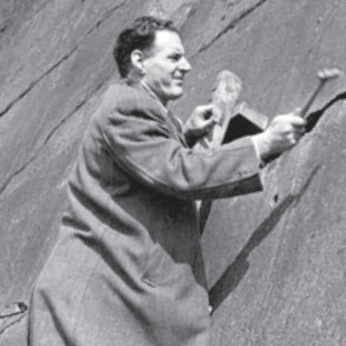


Concrete Repairs Limited (CRL) began as a modest business in 1955, quietly establishing its reputation in the first five years of operation. By the end of the decade, the company was growing rapidly, prompting a move from 34 Millbank to 25 Victoria Street, London. Ernest Mark led as Chairman, with Albert Hill as Managing Director, while Eileen Spottiswood and Bill Beasley, who joined from Quickset, became key figures in shaping the company’s early success.
From the outset, the business focused on specialist structural waterproofing, primarily in London. Basements and other structures required reliable protection, and the company’s skilled operatives expertly applied Sika No.1 cementitious systems to meet these demands.
Innovation was at the heart of CRL’s early work. Ernest Mark developed the pioneering ‘Cathite Method,’ combining Sika No.1 waterproof additive with Jenolite/Jenoseal to treat reinforcement. This method proved highly successful, becoming a trusted approach for concrete repair well into the late 1980s, and laying the foundation for the company’s enduring expertise in the field.

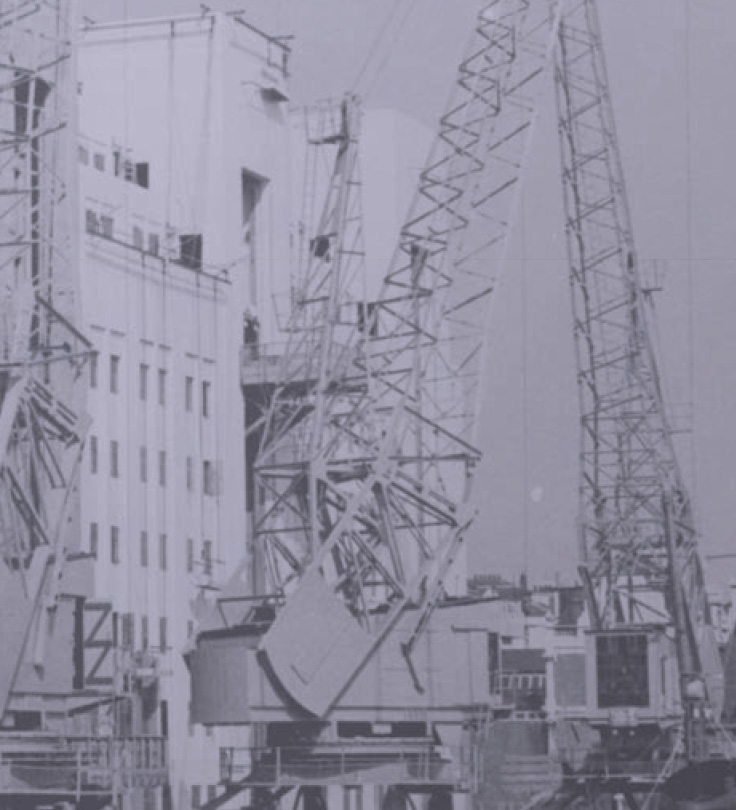
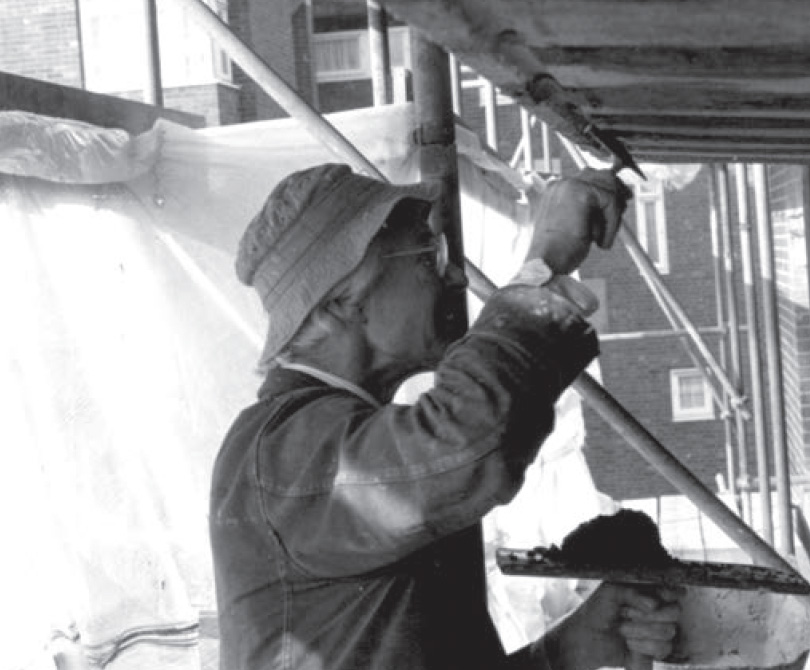
In 1960, Frank Dyton joined the company, followed a few years later by Bob Wall, both of whom played key roles in expanding CRL’s capabilities. During this period, the company became increasingly involved in marine projects, including numerous contracts for the Ministry of Defence.
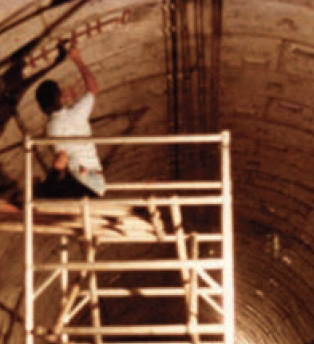
The 1960s also saw significant work for the Coal Board and British Rail. Waterproofing, CRL’s core expertise, remained in high demand, with contracts for underground structures, tunnels, power stations, and deep basements across London’s docks.
The experience gained during this decade enabled the company to extend its services to other port facilities at Harwich and Felixstowe, and to a wider range of clients across the UK. Reflecting its growth, CRL relocated its offices slightly further down Victoria Street, moving from number 25 to number 137, continuing its journey as a leading specialist contractor.
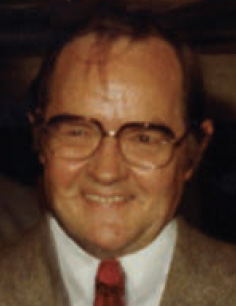

In the early 1970s, CRL’s business began to evolve. While waterproofing activity started to decline, demand for concrete repair grew rapidly, and the company expanded its work across all types of structures throughout the UK. Much of this success was delivered by a flexible and dedicated workforce, several of whom remained with CRL for over 50 years. In 1975, Ernest Mark retired at the age of 84, marking the end of the Wilment family’s direct involvement in the business.
That same year, a management buyout brought new leadership. Albert Hill became Chairman, Bob Wall took on the role of Managing Director, Derek Storey oversaw finance, and Frank Dyton managed contracts, while estimating responsibilities were shared across the team. With a low capital base, CRL’s growth was driven by strict financial management, hard work, and careful planning.
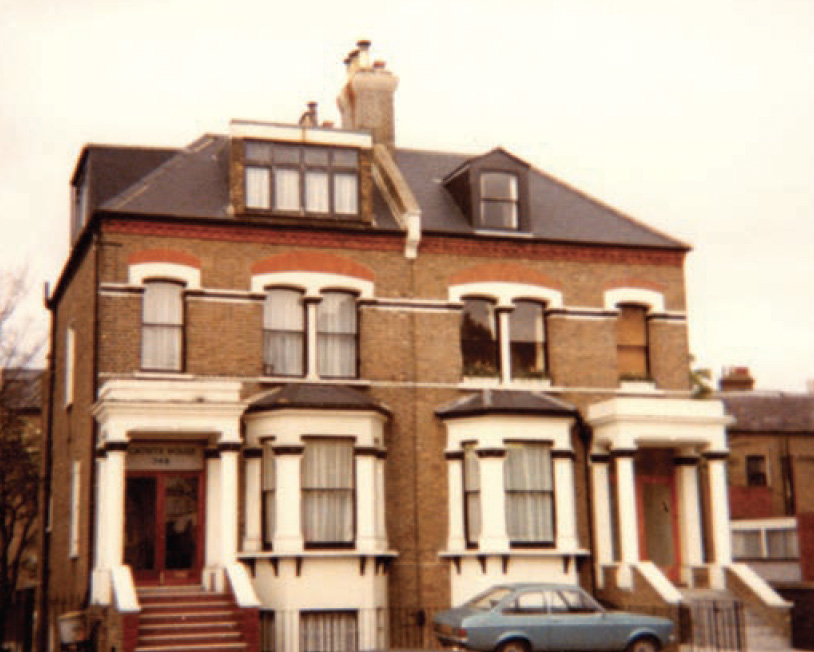
Following major redevelopment on Victoria Street, the company relocated to new premises at 748 Fulham Road, London, setting the stage for the next phase of its national expansion.
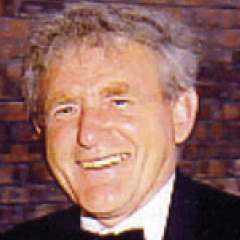

During the 1980s, CRL continued to grow, both in staff and expertise. Early in the decade, Tony Rimoldi, Chris Martin, John Drewett, and Andy Came joined as young engineers and would later become the company’s current Directors. In 1984, Bob Wall retired, with Frank Dyton stepping in as Managing Director. Two years later, at the age of 70, Albert Hill retired, and the business was acquired by the MJ Gleeson Group plc.
This period also marked CRL’s first steps overseas. In 1983–84, the company secured its inaugural international concrete repair contract on the 1.25km Shell Jetty at Tabangao in the Philippines. Overseas projects soon followed, including repairs to a cooling tower at a Shell Refinery in Port Sudan and work in Hong Kong through a joint venture with a local contractor.
By 1988, CRL was at the forefront of electrochemical repair techniques, pioneering the use of cathodic protection, a development that would become a cornerstone of the company’s future success.


During the 1990s, CRL grew to become one of the UK’s leading concrete repair contractors. Research and development became a cornerstone of the company’s success, driving innovation in cathodic protection for reinforced concrete and steel-framed buildings.
In 1992, CRL commissioned a composite strengthening research project at Sheffield University, and just four years later completed the UK’s first commercial carbon fibre strengthening installation at King’s College Hospital in London. The company also successfully patented its Gel-Anode system for realkalisation and desalination.
The decade saw further leadership and operational changes. In 1992, Frank Dyton retired, and Tony Rimoldi took over as Managing Director. By 1995, having outgrown its Fulham premises, the company relocated its headquarters to Cathite House in Mitcham, Surrey. New regional offices opened in Sheffield and Bristol, supporting a growing portfolio of projects across the UK, including work in the Channel Islands and as far afield as Baku, Azerbaijan.
To meet increasing demand for expert assessment of reinforced concrete structures, CRL also established a dedicated surveying division, CRL Surveys, further expanding the company’s capabilities and national reach.


The new millennium marked the start of an exciting new era for the Company. Growth was achieved by further widening the scope of services. Full refurbishment of multi storey car parks became a significant activity. Improvements in cathodic protection offered clients a truly long term solution to deteriorating concrete and the design and installation of systems was offered across the UK and overseas. Market acceptance of carbon fibre as an alternative to steel strengthening led to growth in this sector.
Regional coverage increased when, in 2001, the Scottish office was opened near Falkirk. This move allowed CRL to offer the complete range of survey, repair and refurbishment activities to that region. Sales in Scotland quickly grew and the skills base was greatly boosted through local recruitment. Refurbishment became a further growth area for the business and in 2003 CRL Refurbishment was established. Working as a multidisciplined contractor the cornerstone principles of quality and safety were never compromised. So much so our activities were recognised by being awarded the “Most Considerate Site” by the Considerate Constructors Scheme in 2004. Further accolades came through several respected Industry awards and an unbroken run of awards from RoSPA recognising our management of occupational health and safety.
In 2006 the parent company, MJ Gleeson Group PLC, decided on a strategic change of direction. Civil engineering contracting was not included in future plans. Once again CR’s ownership was to change. Led by the existing Directors and senior management a successful Management Buy Out was achieved. The company became privately owned and under the control of its management team, which now included Sanjay Patel, as Finance Director. CRL continued to flourish with sales approaching £30m by the end of the decade. Part of this growth came from the company’s participation in frameworks and other long term client relationships. For the first time an overseas operation was created with a new company in Abu Dhabi.


By 2010, CRL had firmly established itself as the largest independent structural repair organisation in the UK. With a highly skilled professional team and a broad range of services, the company was recognised as a centre of excellence in the sector.
The growing demand for energy-efficient buildings and the upgrading of the housing stock led to the creation of CRL Facades and a significant expansion of refurbishment activities. At the same time, innovative work with carbon fibre enabled the design, manufacture, and installation of composite bridges for vehicles and pedestrians.
The management team, many of whom had served the company for more than 35 years, remained a cornerstone of CRL’s success, and in 2011, a founding member of the team celebrated 55 years of continuous service.. Independence enabled the development of new strategies, with complementary businesses joining CRL’s holding company, The Centura Group.
The 2010s were a decade of growth, innovation, and international expansion. In 2016, CRL opened offices in Runcorn to support the increasing number of projects in the North-East, followed by the Middlesbrough office to deliver a £12 million contract to repair and install cathodic protection on the Teesside Viaduct. In 2017, the company undertook the Oldbury Viaduct project, the largest concrete repair contract in the UK and Europe at £20 million. That same year, CRL began its apprenticeship programme, which has since supported 36 apprentices in developing careers within the company.
International expansion also continued, with the opening of the Australian office in 2018 and ongoing projects across Europe, including work at CERN’s Large Hadron Collider, as well as numerous contracts in the Channel Islands. Leadership evolved during this period, with Tony Rimoldi becoming CEO, Sanjay Patel appointed Managing Director, and three new Directors joining the team.
CRL’s continued excellence was recognised through multiple awards, including RoSPA awards for health and safety, as well as other industry accolades. The company also expanded its presence in the water sector, winning several frameworks and strengthening its capability to deliver complex projects in this area.


In 2020, amid the challenges of the COVID-19 pandemic, CRL not only weathered the storm but thrived, demonstrating resilience, adaptability, and an unwavering commitment to quality, safety, and innovation. That year marked 65 years of continuous trading—a milestone built on the loyalty, expertise, and dedication of every employee, from the Chief Executive to the newest recruit. CRL has always been a team effort, with staff supported in both personal and professional development.
Building on decades of disciplined growth, the company entered the 2020s with strong momentum. Highways and water sector work became dominant, supported by several long-term frameworks with water companies. In 2021, CRL secured the SDF Framework, valued at £60 million over five years, and was approved as an ICE Training Scheme employer. International expansion continued, underpinned by investments in workforce development, apprenticeships, and technical capability.
By 2024, CRL had transitioned from an SME to a Large Enterprise, surpassing £50 million turnover and employing more than 250 people. The company strengthened its strategic partnerships, entering a joint partnership with the CIOB, achieving IIP accreditation, and consistently winning industry awards, including RoSPA recognition for health and safety excellence over 25 years.
2025 has been another year of growth and achievement. Offices at Cathite House in Mitcham are undergoing a complete refurbishment, and the workforce now exceeds 350 employees, with 42% actively pursuing professional qualifications. CRL has further enhanced its sustainability and collaboration credentials, receiving PAS2080 and ISO 44001 accreditation and issuing its first Carbon Reduction Plan. A new Director has been appointed to oversee Highways and Australian operations, and FRP bridge solutions have been delivered for the first time through CRL’s sister company, Lifespan Structures.
Looking ahead, CRL will continue to expand asset management services, diversify into new construction and renewable energy markets, and invest in emerging technologies. With structured apprenticeship programmes, technical development, and clear career pathways, the company is building the skills, leadership, and capability required to deliver sustainable growth and maintain its position as a market leader in the UK, Australia, and beyond.


