Client
Business Environment Developments Limited
Value
£180k
Sectors & Services
Buildings Repairs & Refurbishment Heritage & Listed Corrosion Control Steel Frame Cathodic Protection Projects
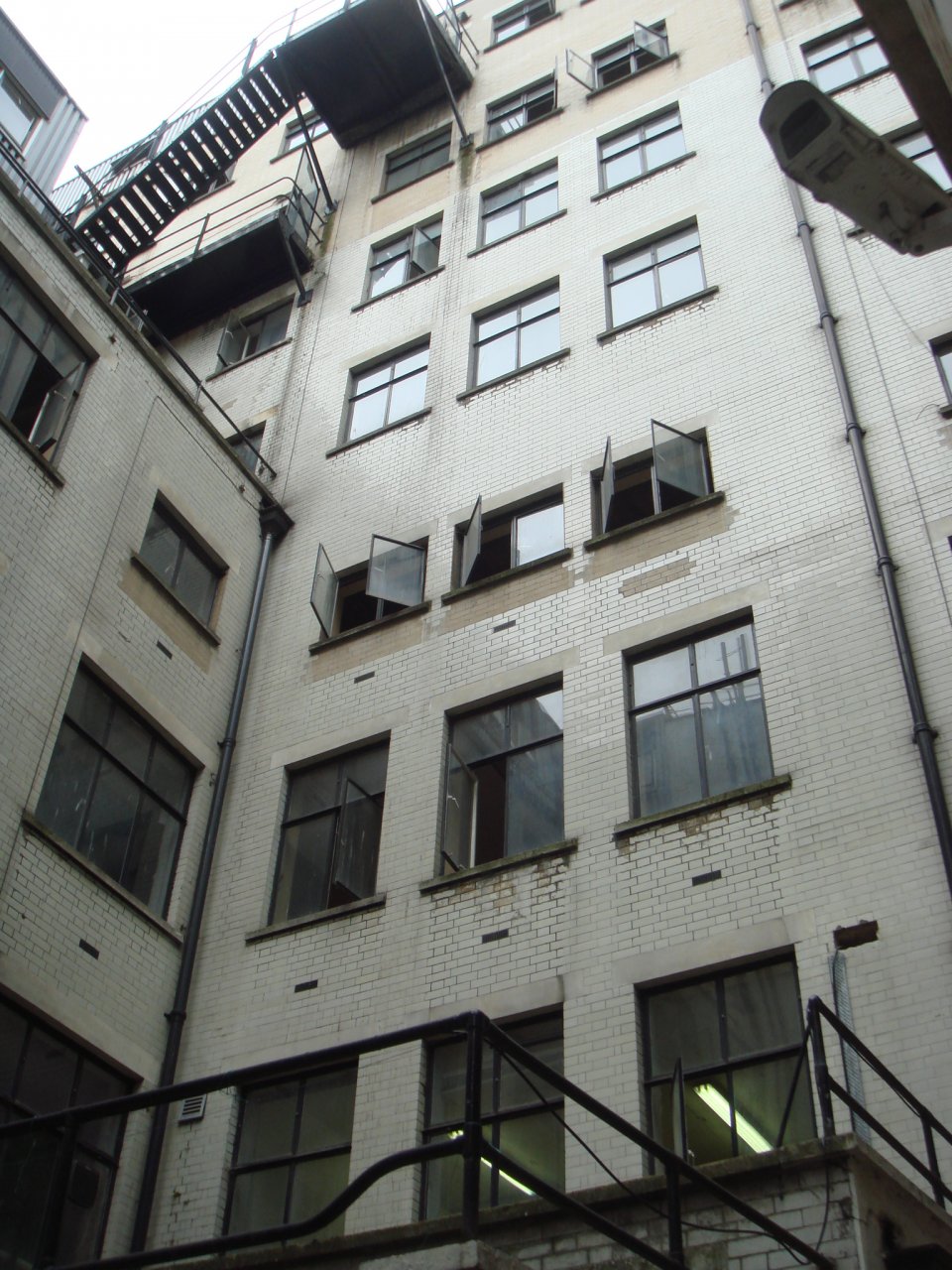
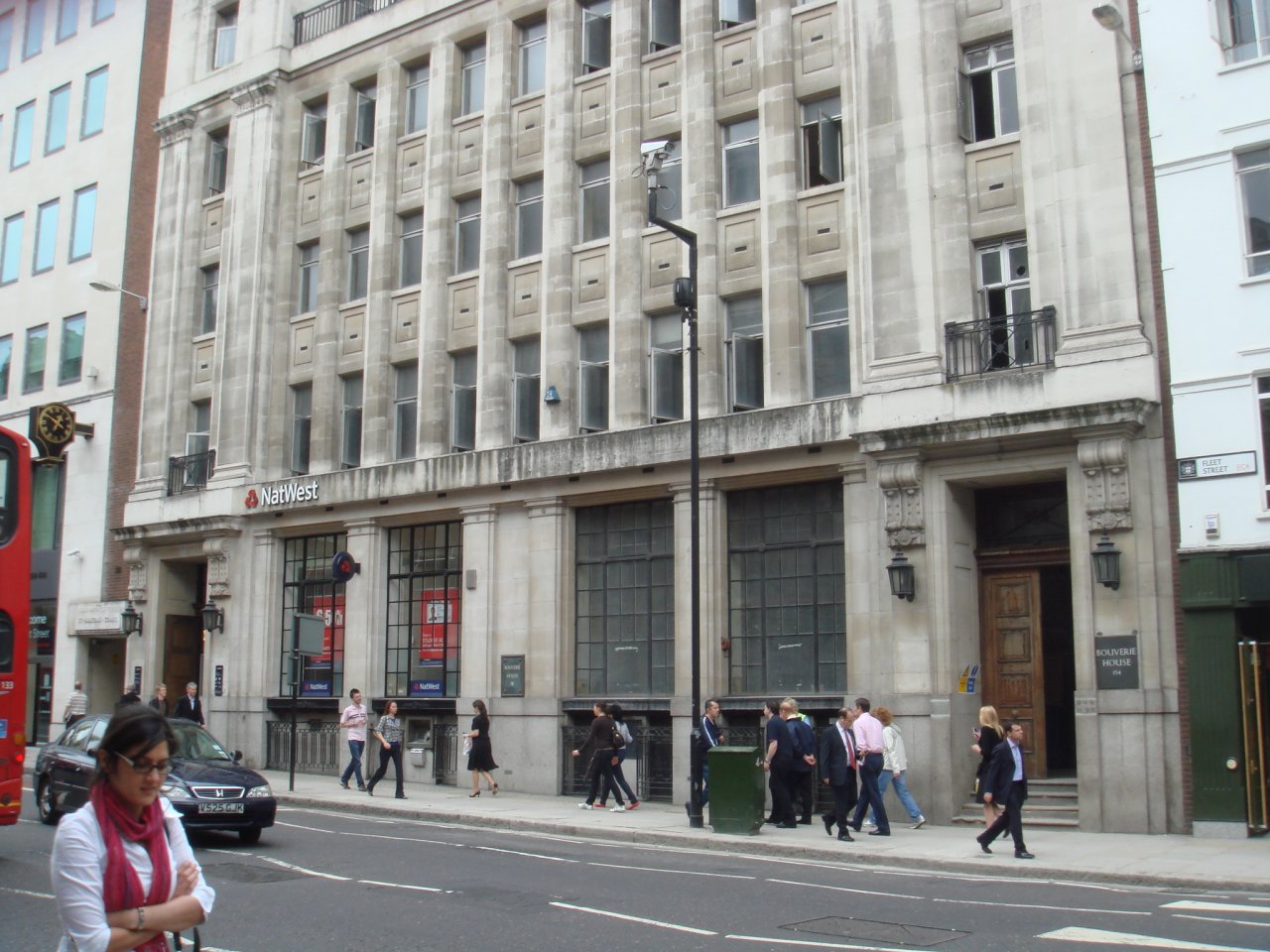
Bouverie House on Fleet Street, London, is an early 20th-century steel-framed building, clad in granite, Portland stone, glazed brick and traditional London brickwork. During renovation in 2009, signs of deterioration were identified, including cracking and displacement of masonry, caused by corrosion of the embedded steel frame.
Given the building’s structural and architectural significance, CRL was appointed to deliver a cost-effective refurbishment solution that prevented further corrosion-related damage while minimising disruption.
The project aimed to protect the building’s integrity, extend its service life, and maintain the visual quality of the façade without the need for complete cladding removal, demonstrating a practical, modern approach to heritage asset management.
Services Undertaken
-
Corrosion survey and feasibility trials for cathodic protection
-
Internal location and connection to structural steel frame
-
Drilling and installation of 1,637 anodes with finished reinstatement
-
Supply and installation of 51 reference cells
-
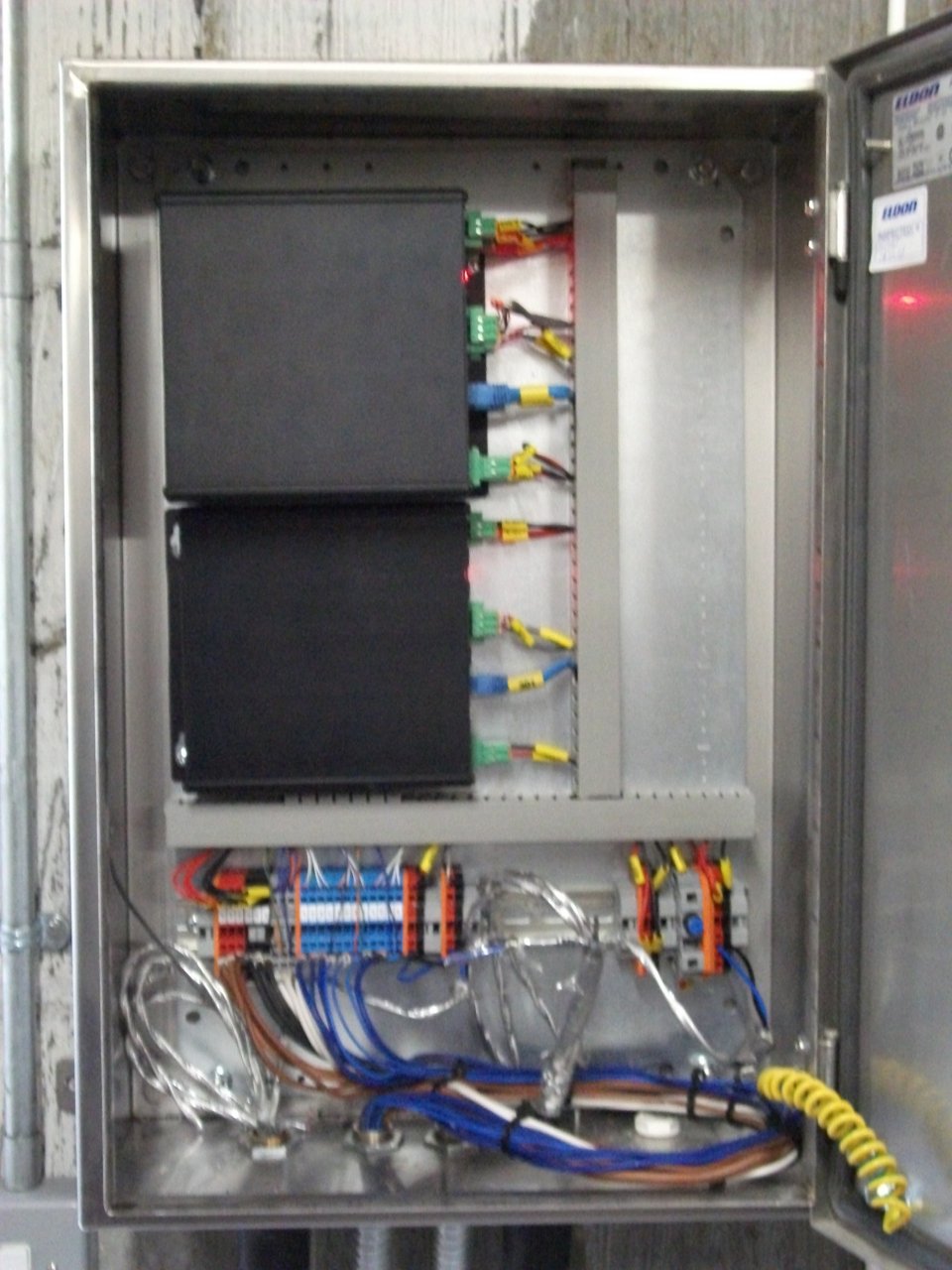
Supply and installation of 7 distribution outstations for reference cells
-
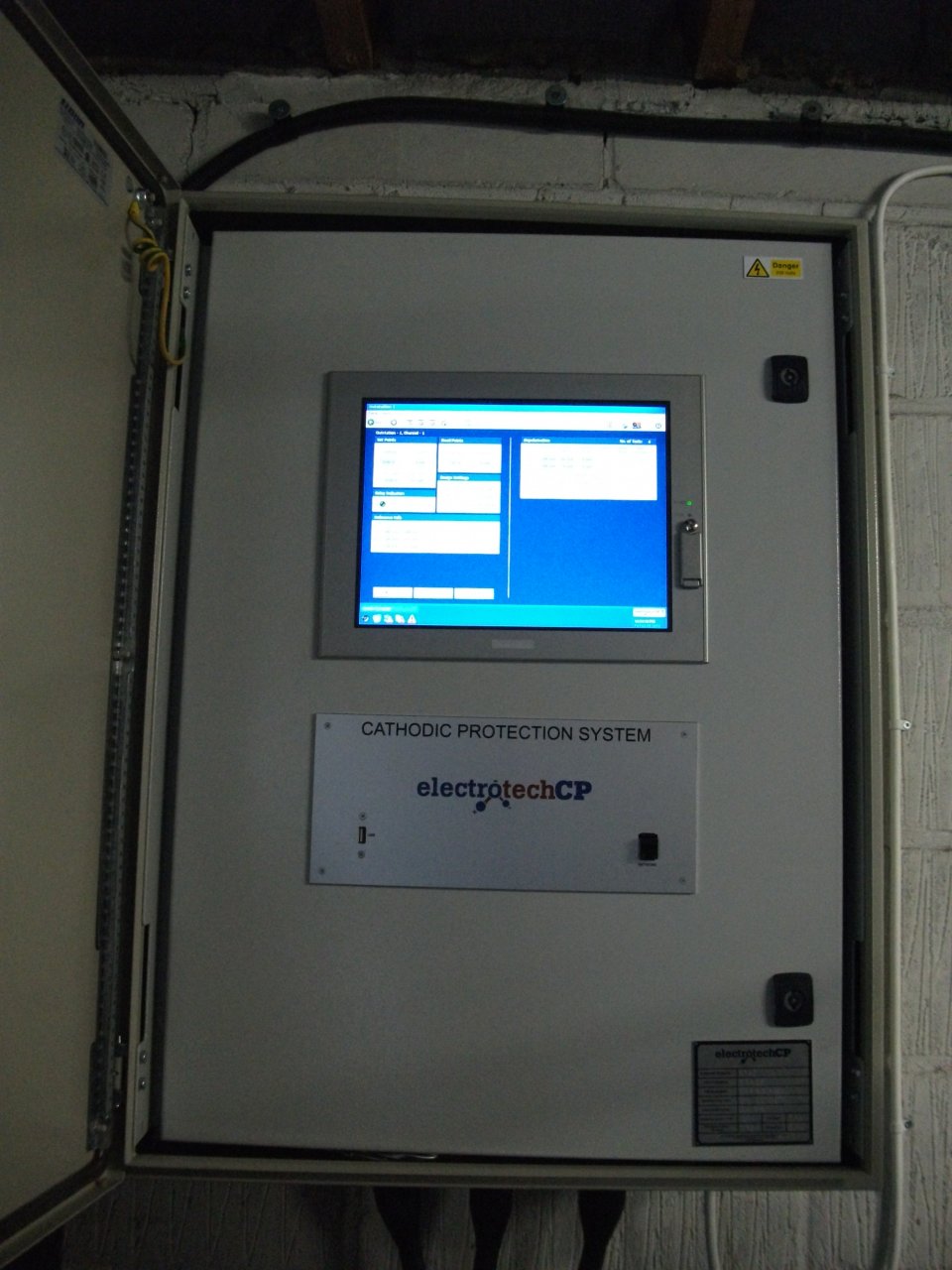
Supply and installation of main TR control unit with remote monitoring
-
Associated wiring for complete cathodic protection system
-
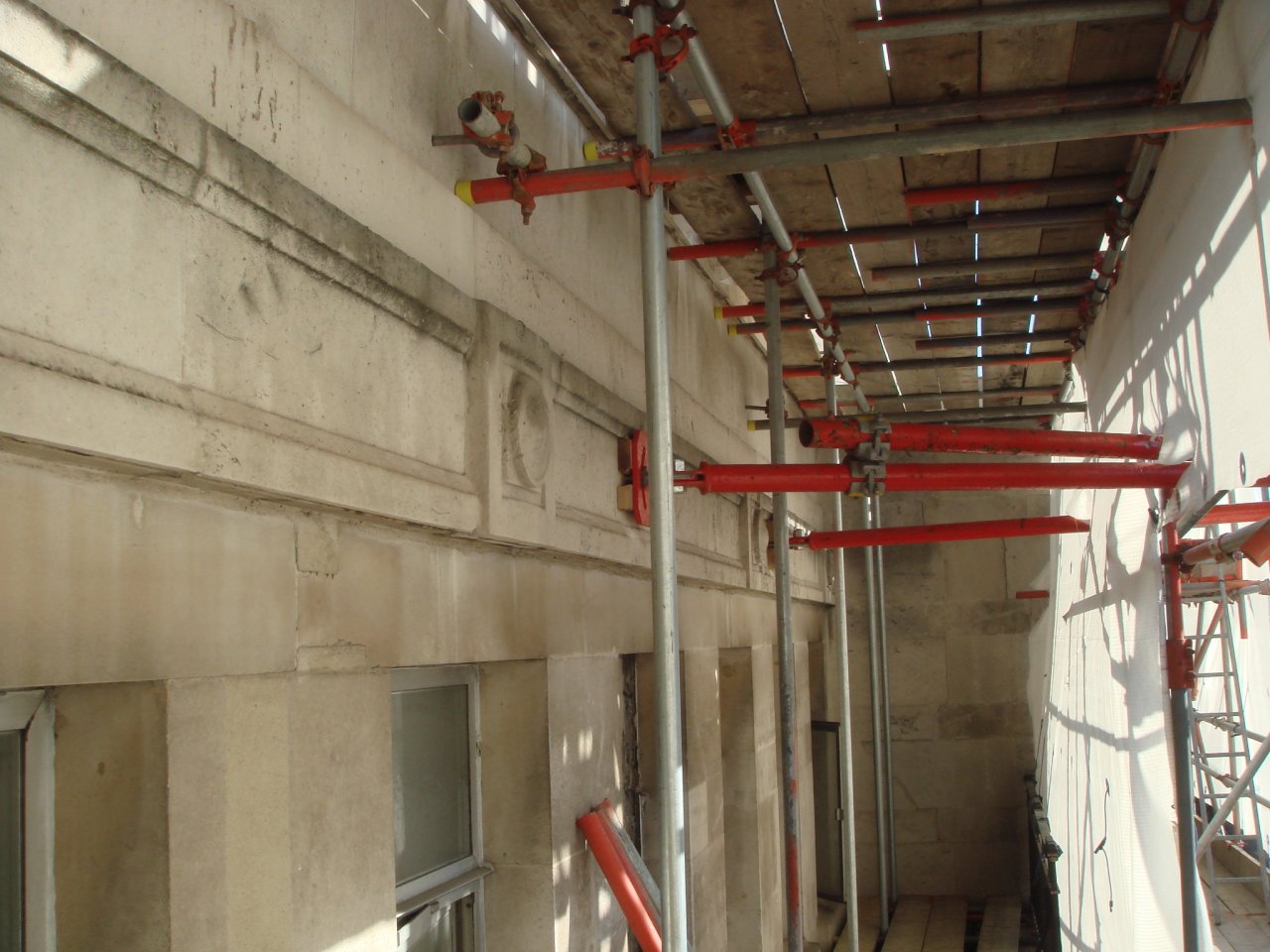
Minor masonry and cladding repairs to cracked and displaced areas


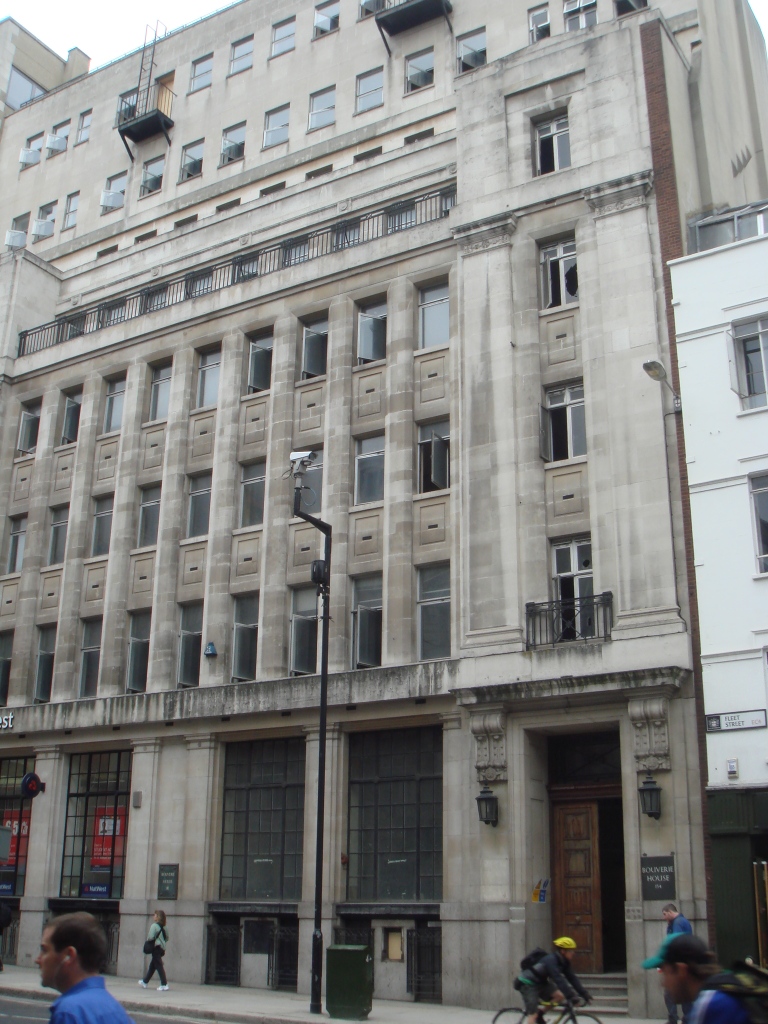
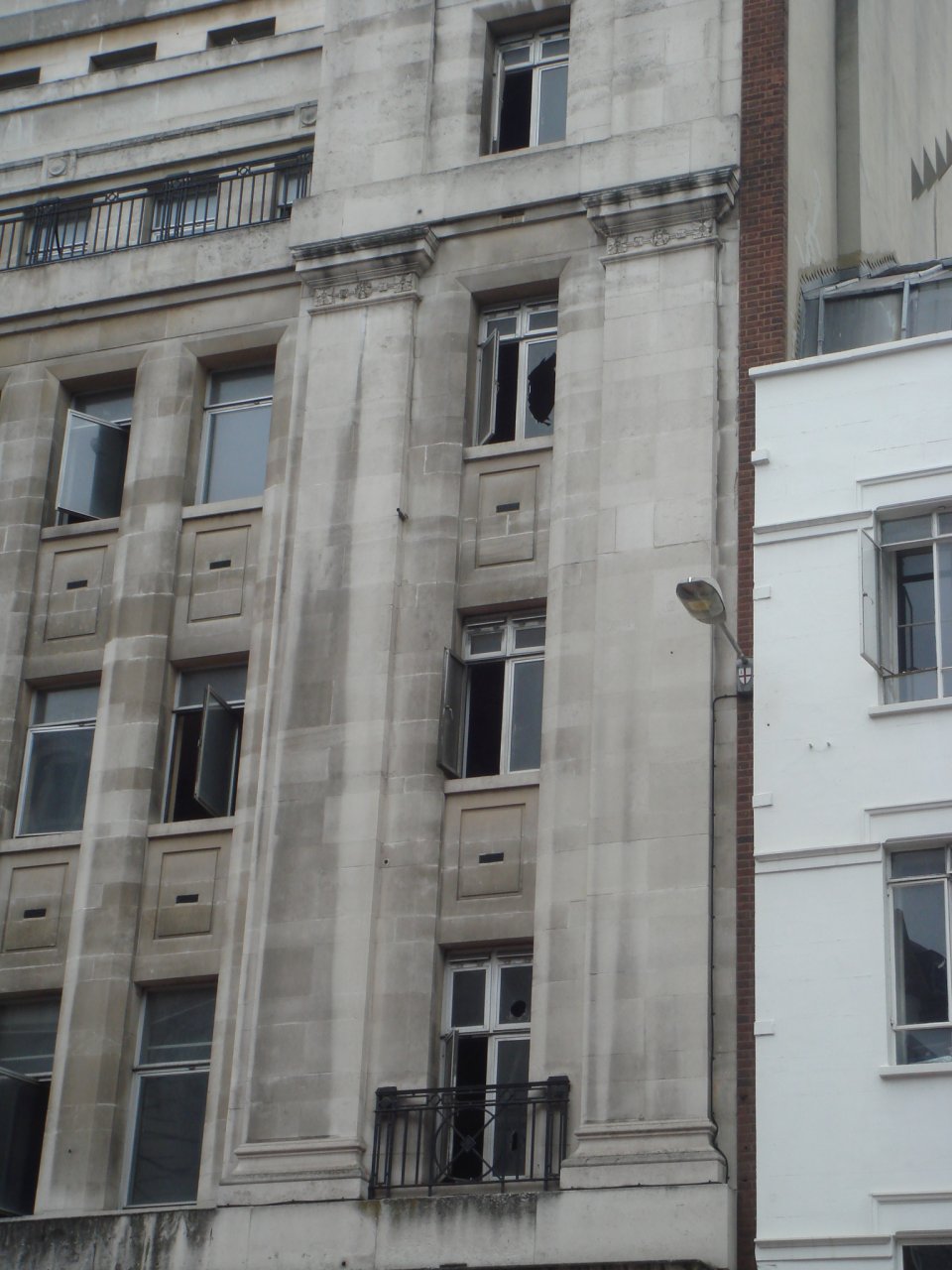
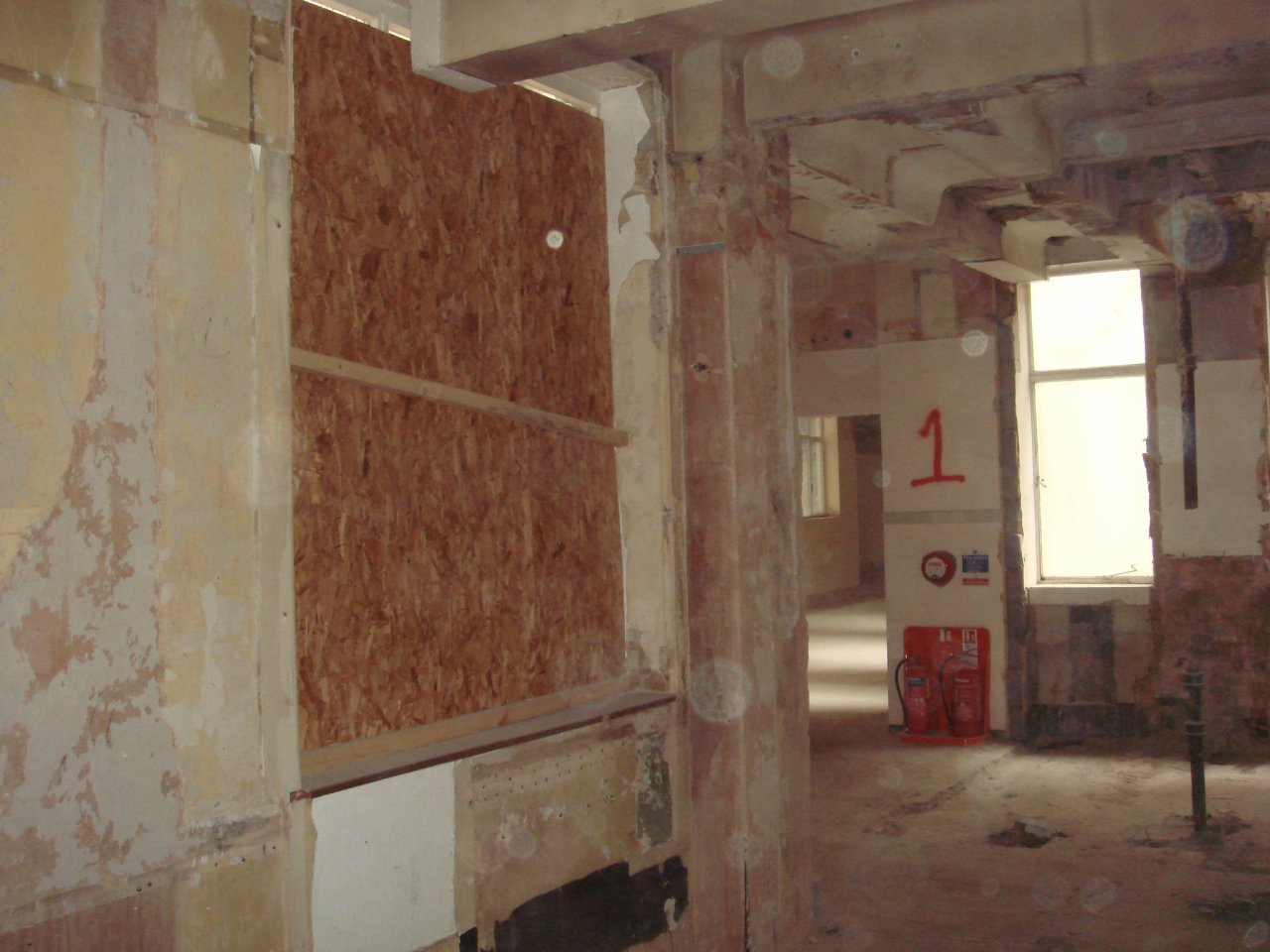

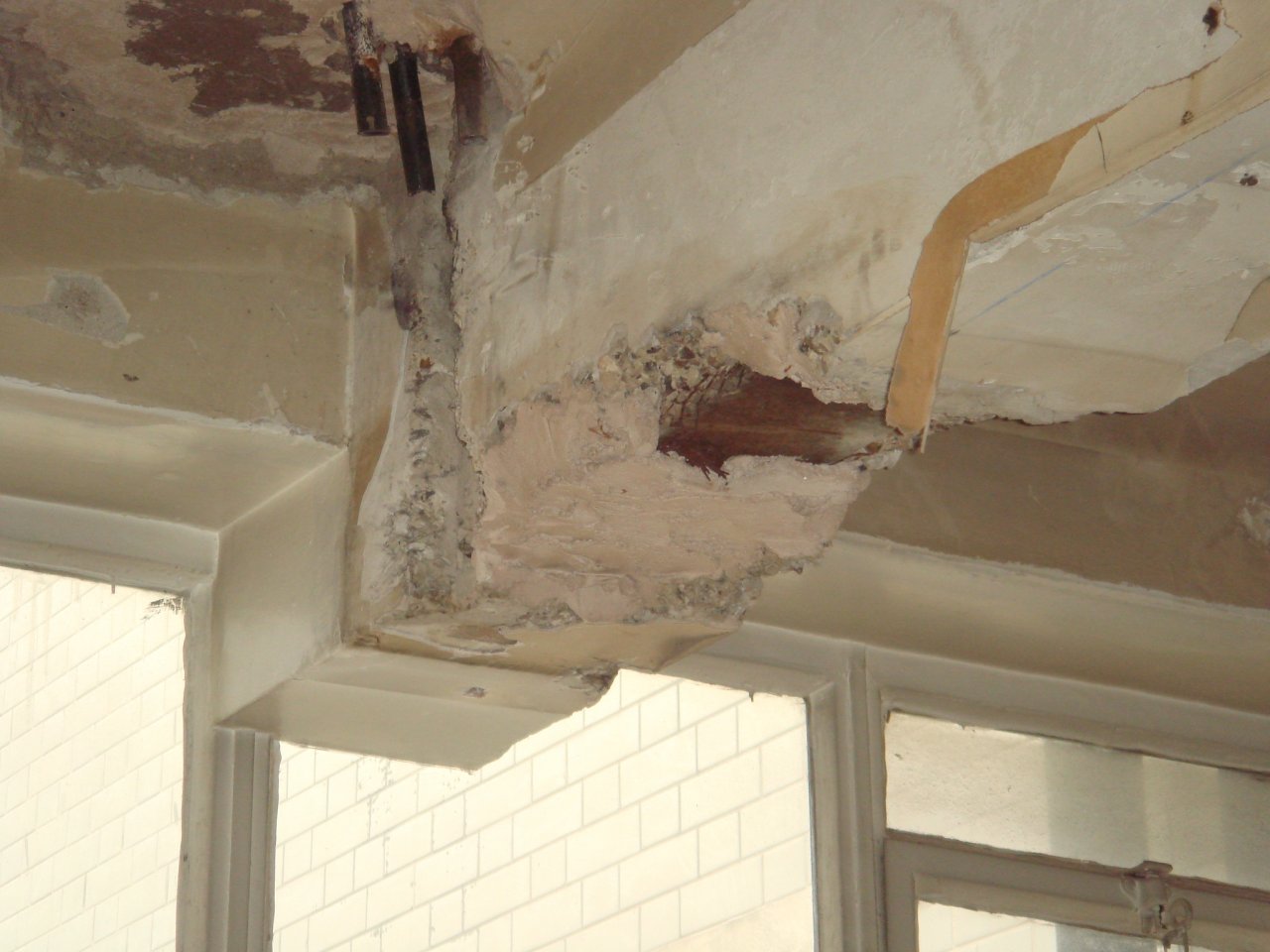
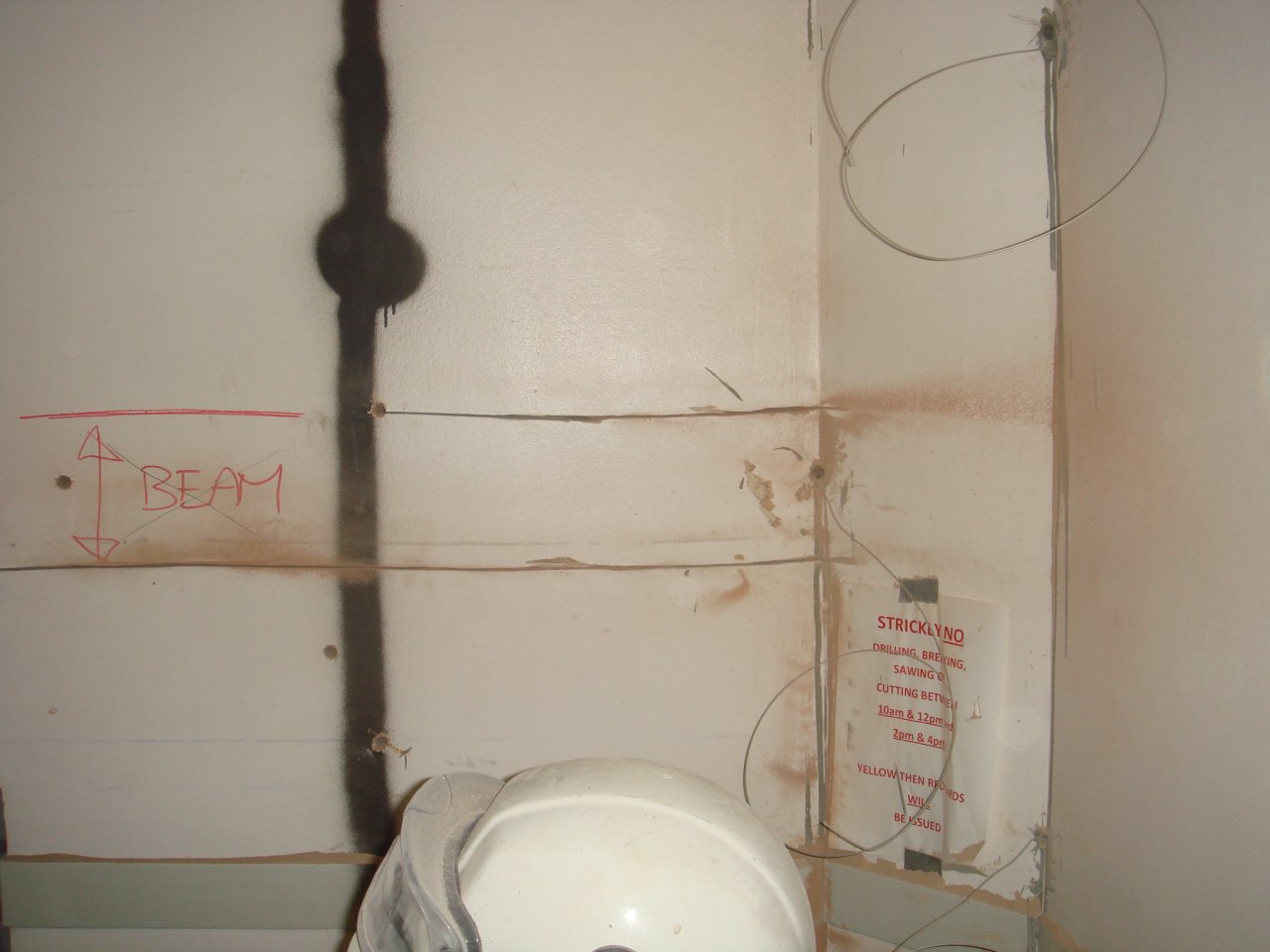
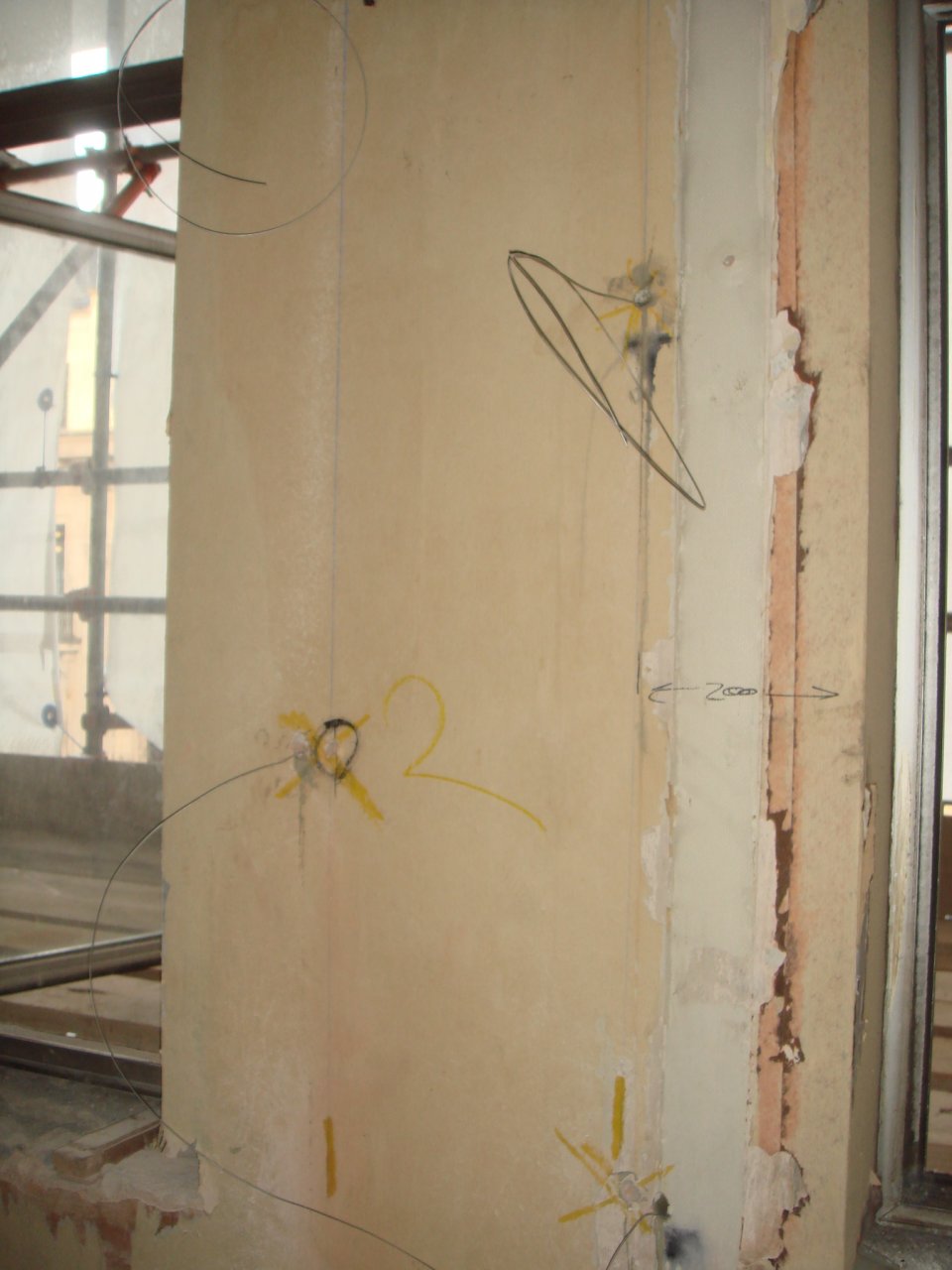
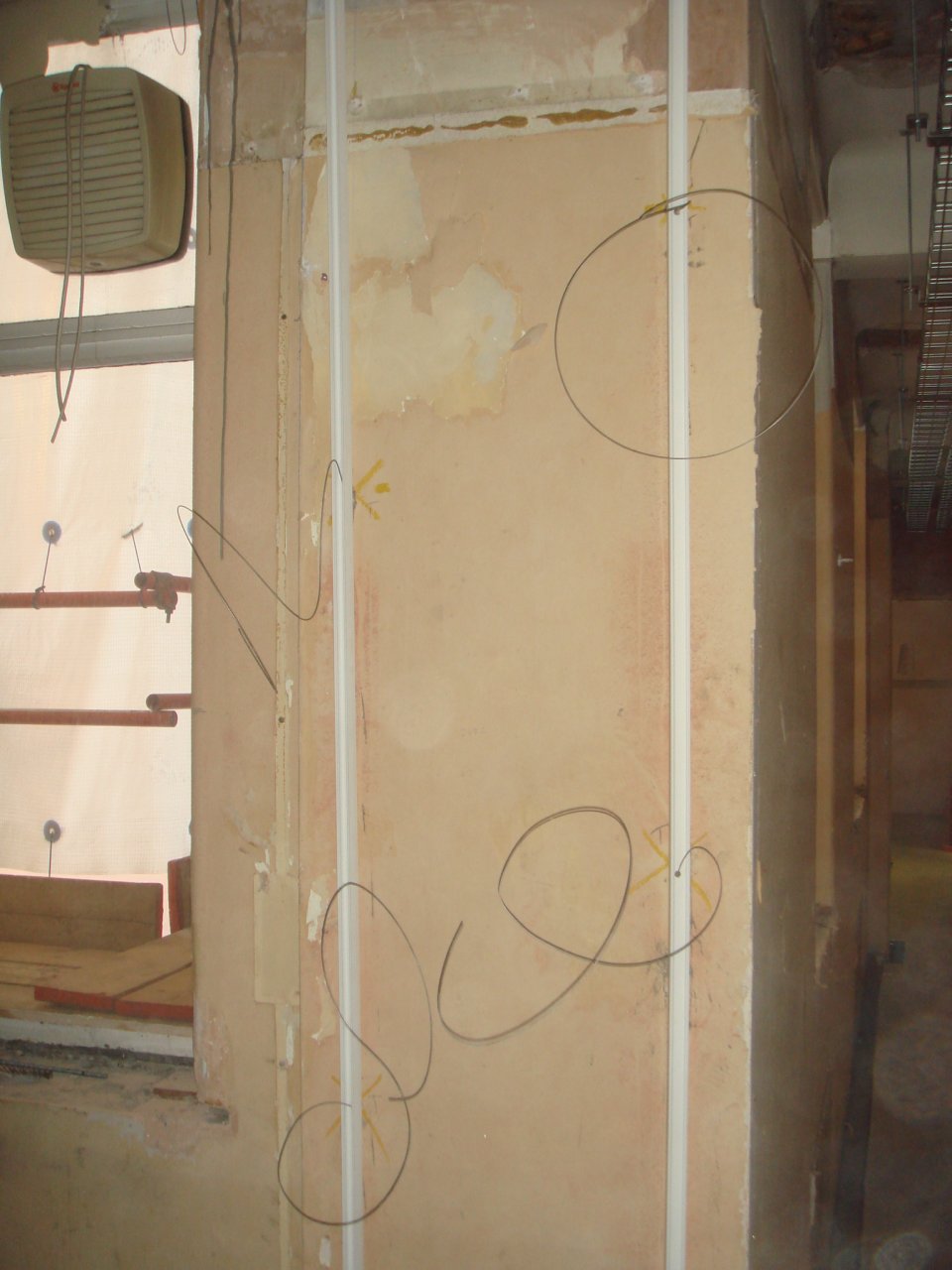
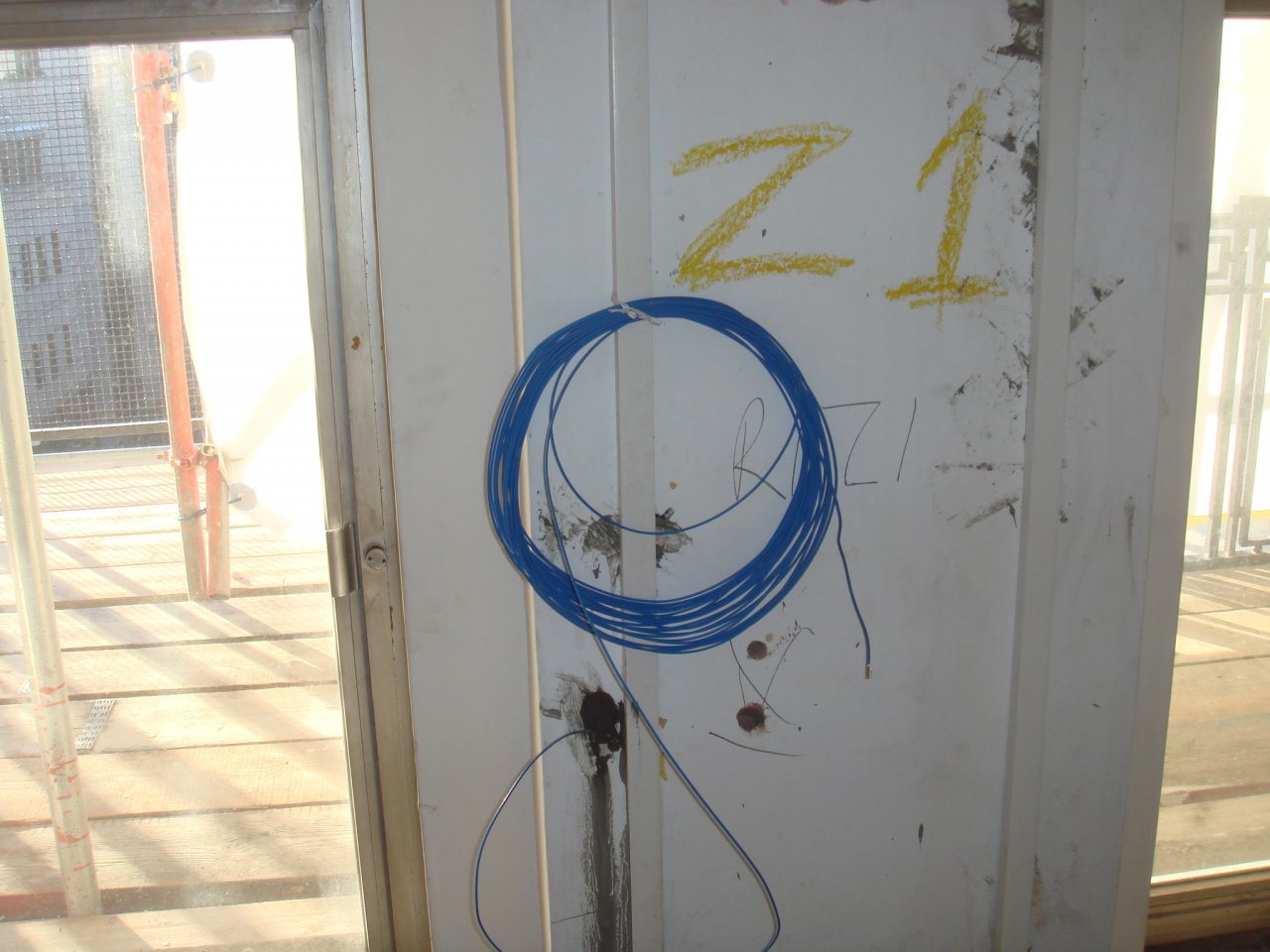
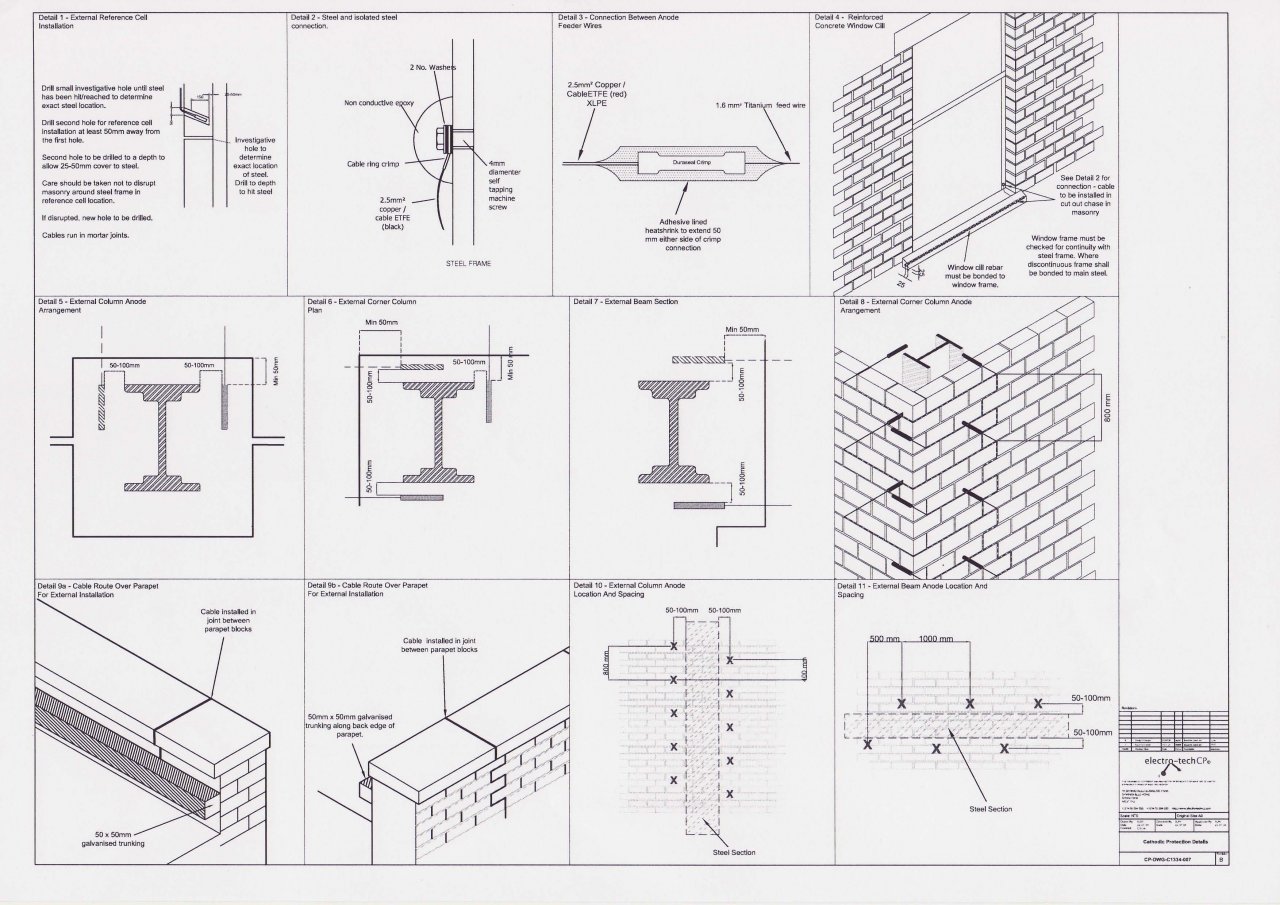
CRL undertook a carefully staged programme to install a discrete corrosion prevention system while addressing the visibly damaged masonry. Initial works included a comprehensive corrosion survey and trial installation to determine the areas requiring cathodic protection, confirm feasibility, and optimise the number and location of anodes. Following successful trials, CRL developed a final design and tender package to deliver the solution efficiently.
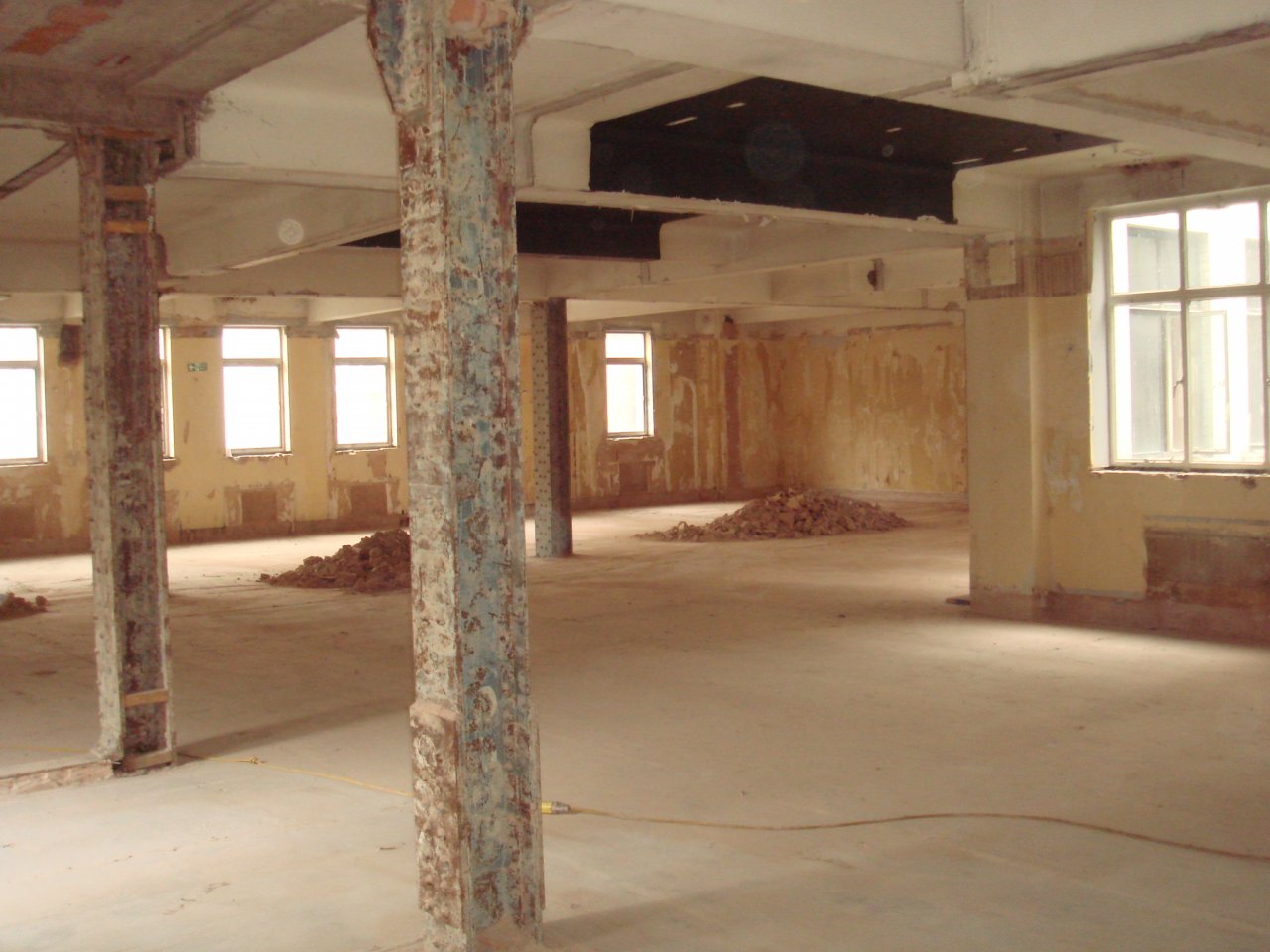
Installation was carried out internally, utilising the fact that the building was empty, which minimised working at height and reduced scaffolding requirements. Structural steel members were located, and connections prepared for the cathodic protection system. CRL drilled and installed 1,637 anodes with precision, ensuring all finishes were fully made good. Fifty-one reference cells were supplied and installed, linked to seven distribution outstations, providing accurate monitoring across the 14 building elevations. The main TR control unit was installed with remote monitoring capability, and all associated wiring was completed to create a fully integrated, automated corrosion protection system. Minor repairs to visible cracks and displaced masonry were undertaken concurrently, restoring aesthetic continuity while the protection system mitigated further deterioration.

"Once all the refurbishment and re-decoration works were complete, no one was able to tell that there was a system installed that was protecting the steel members from corroding. That is the beauty of cathodic protection, - it just works silently in the background."
Michael Balletta | Infrastructure Manager | CRL
The installation of the internal cathodic protection system has provided Bouverie House with long-term resilience against steel corrosion, significantly reducing maintenance requirements and extending the structural lifespan of the building. By combining targeted masonry repairs with a modern corrosion prevention solution, CRL delivered a sustainable refurbishment strategy that minimises future intervention costs.
The approach ensured safe and efficient working practices, reduced scaffolding and access requirements, and allowed the building to remain fully secure throughout the works.
The project highlights CRL’s expertise in structural repairs UK, demonstrating careful planning, technical excellence and a commitment to delivering heritage-sensitive, asset management-focused solutions that protect and future-proof historic urban buildings.


