Client
Kier Services (BAE)
Value
£205k
Sectors & Services
Buildings Repairs & Refurbishment Heritage & Listed Corrosion Control Steel Frame Cathodic Protection Projects
Semaphore Tower is a distinctive heritage structure located in Portsmouth, forming part of the historic Rigging House and Sail Loft complex. The original tower, constructed in 1833 as the terminal station of the London to Portsmouth Semaphore Line, was destroyed by fire in 1913. The current stone tower, opened in 1930, was built as a faithful replica and incorporates the historic Lion Gate dating from 1778.
An intrusive investigation in 2016 identified significant cracking and water ingress linked to corrosion of embedded steelwork, placing the external façade panels at risk. Specialist intervention was therefore required to stabilise and protect the structure for the long term.
Services undertaken
- Intrusive investigation support and corrosion mitigation works
- Installation of impressed current cathodic protection system
- Supply, installation, and grouting of 570 anodes
- Installation of 334 metres of titanium cabling
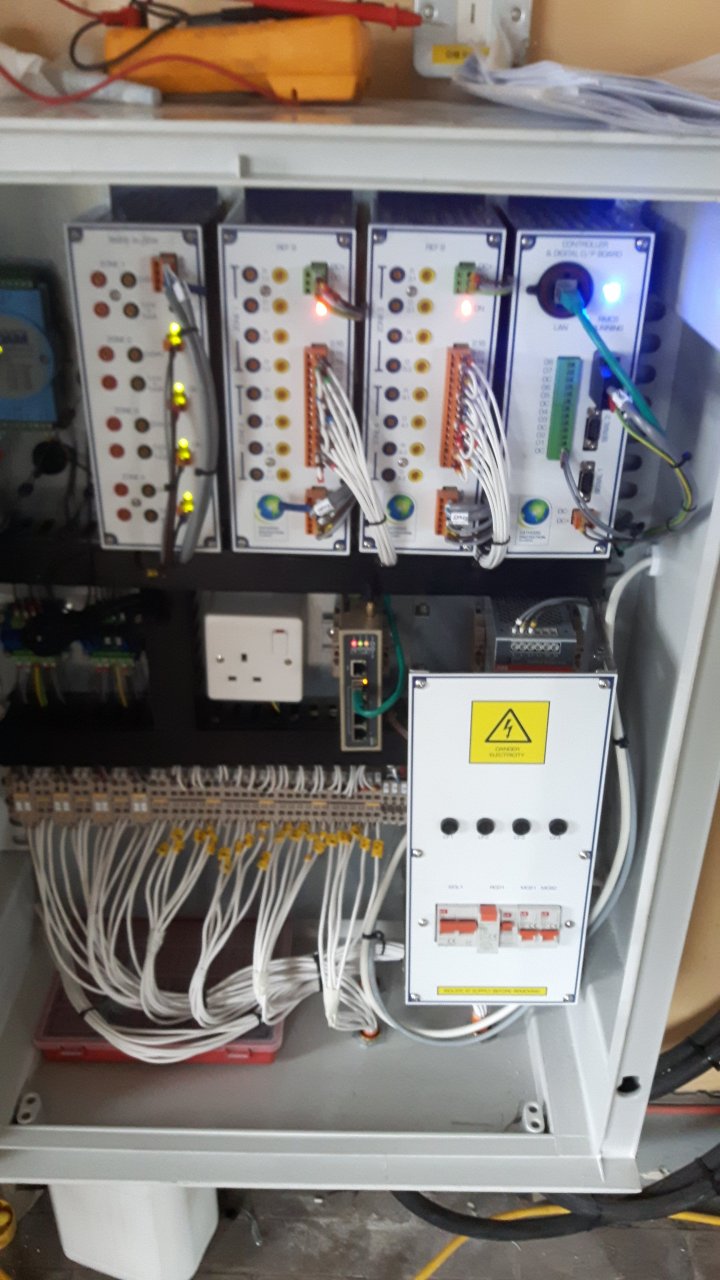
- Supply and installation of junction boxes and main control unit
- Installation of reference cells and decay probes
- Grouting between steel columns and façade panels
- Brickwork repairs
- Portland stone repairs and restoration


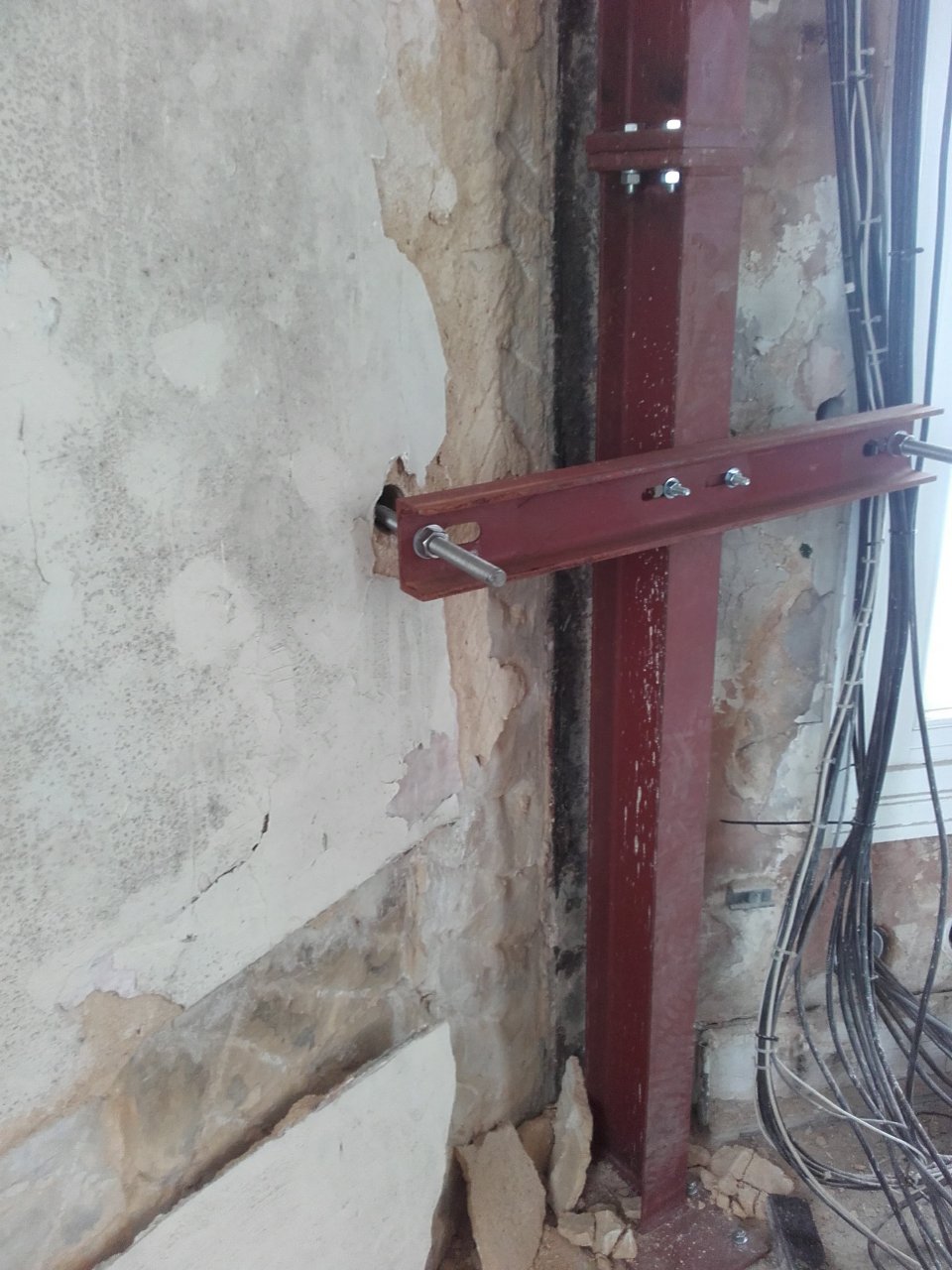
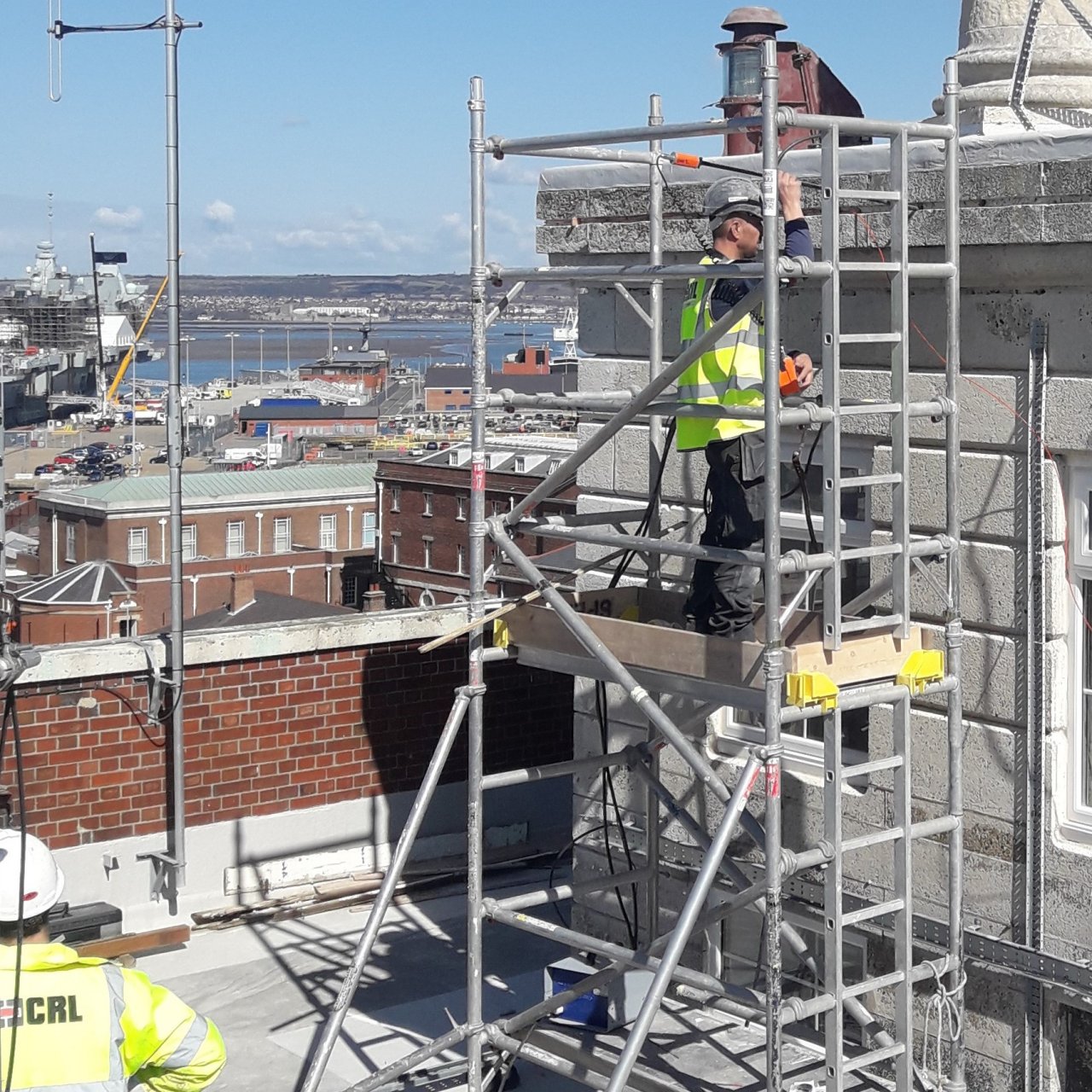
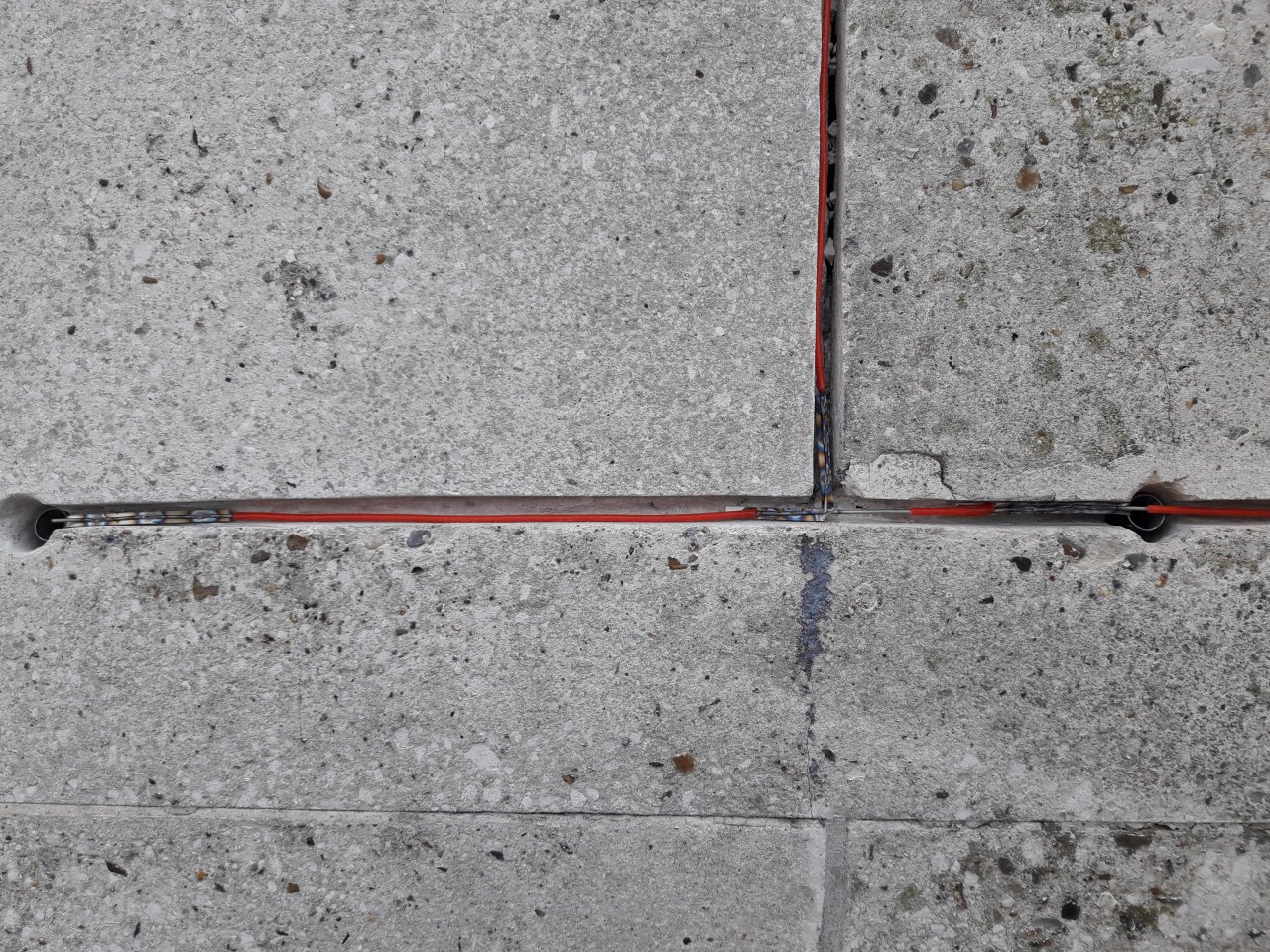
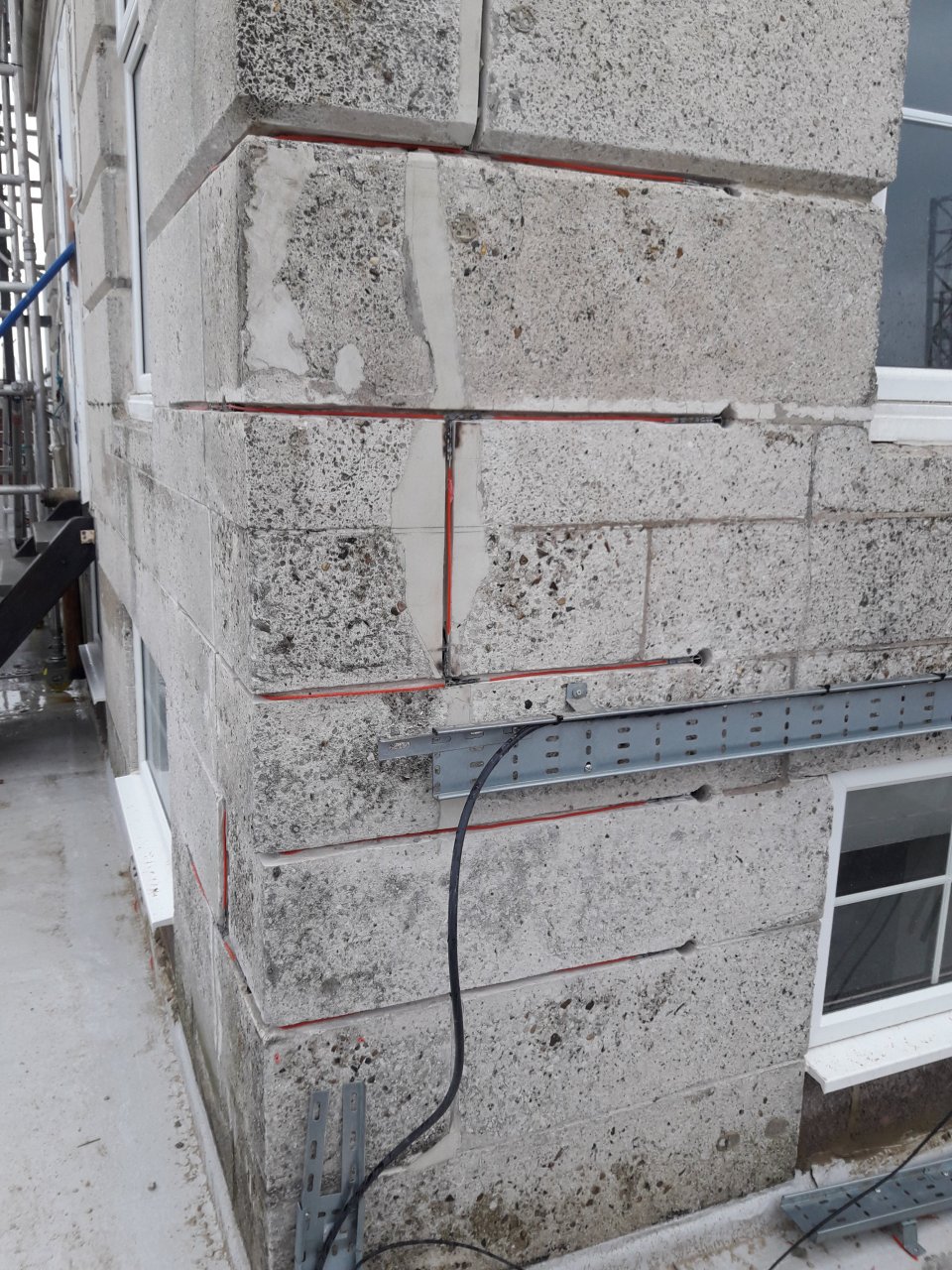
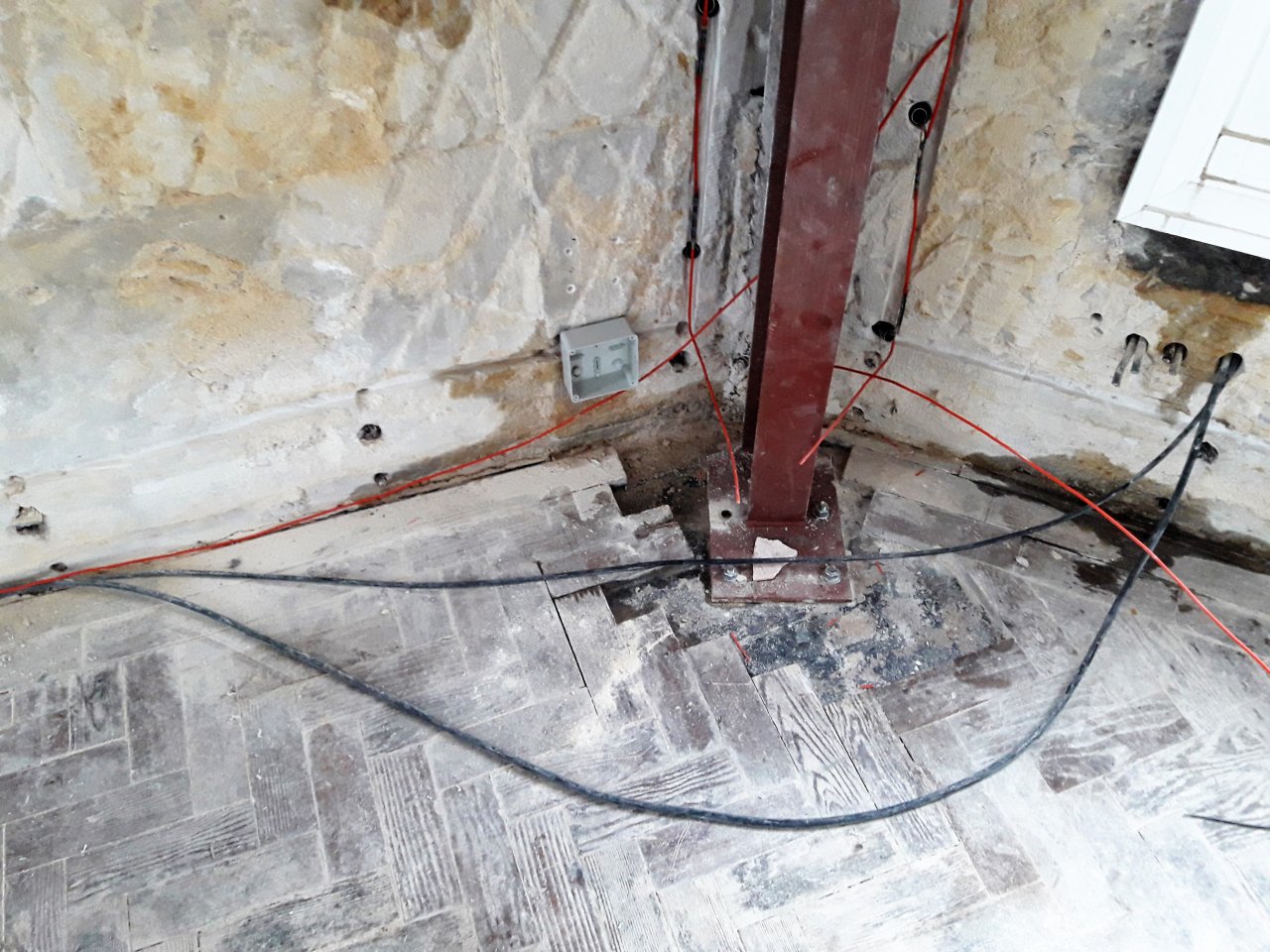
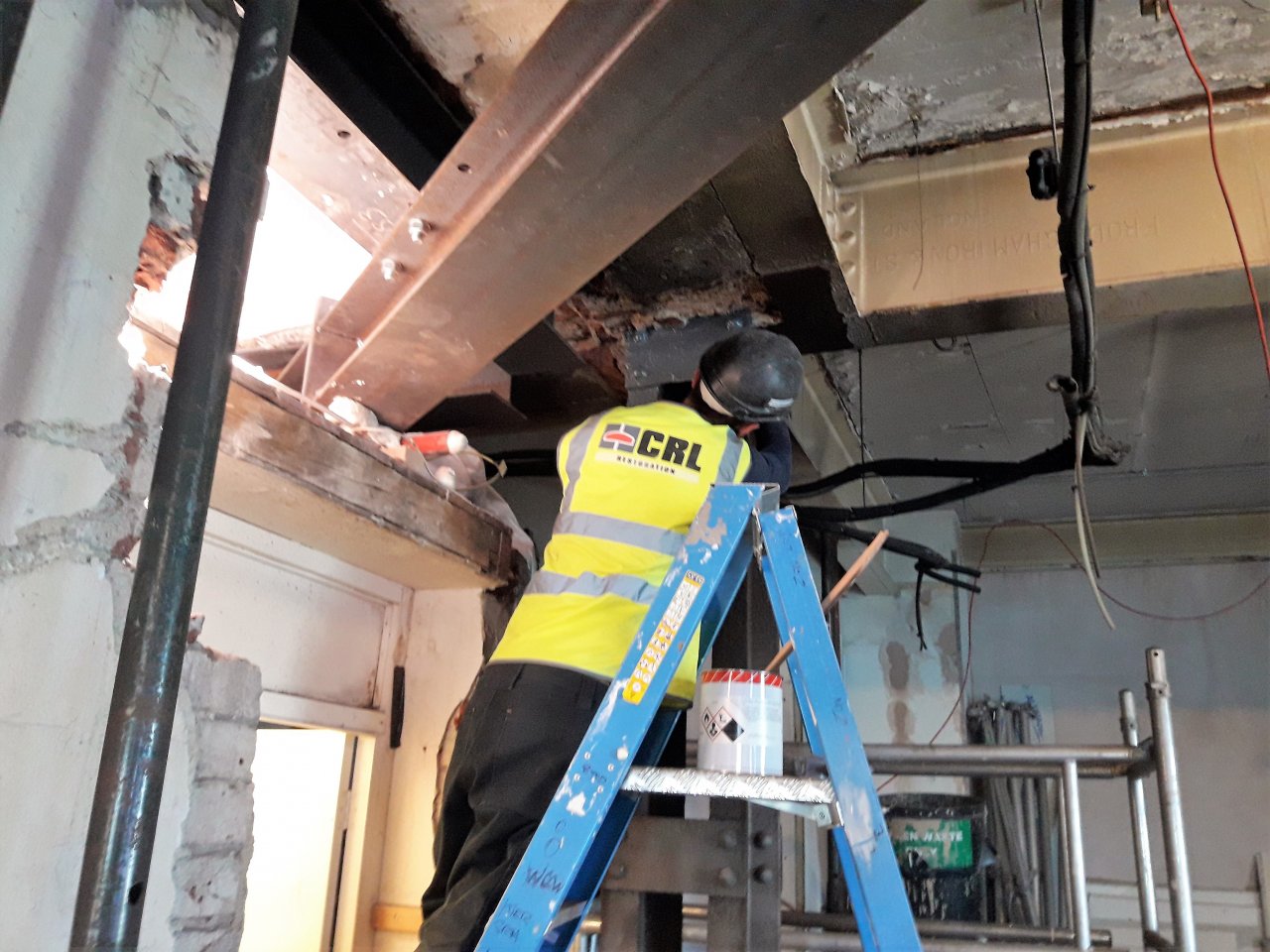
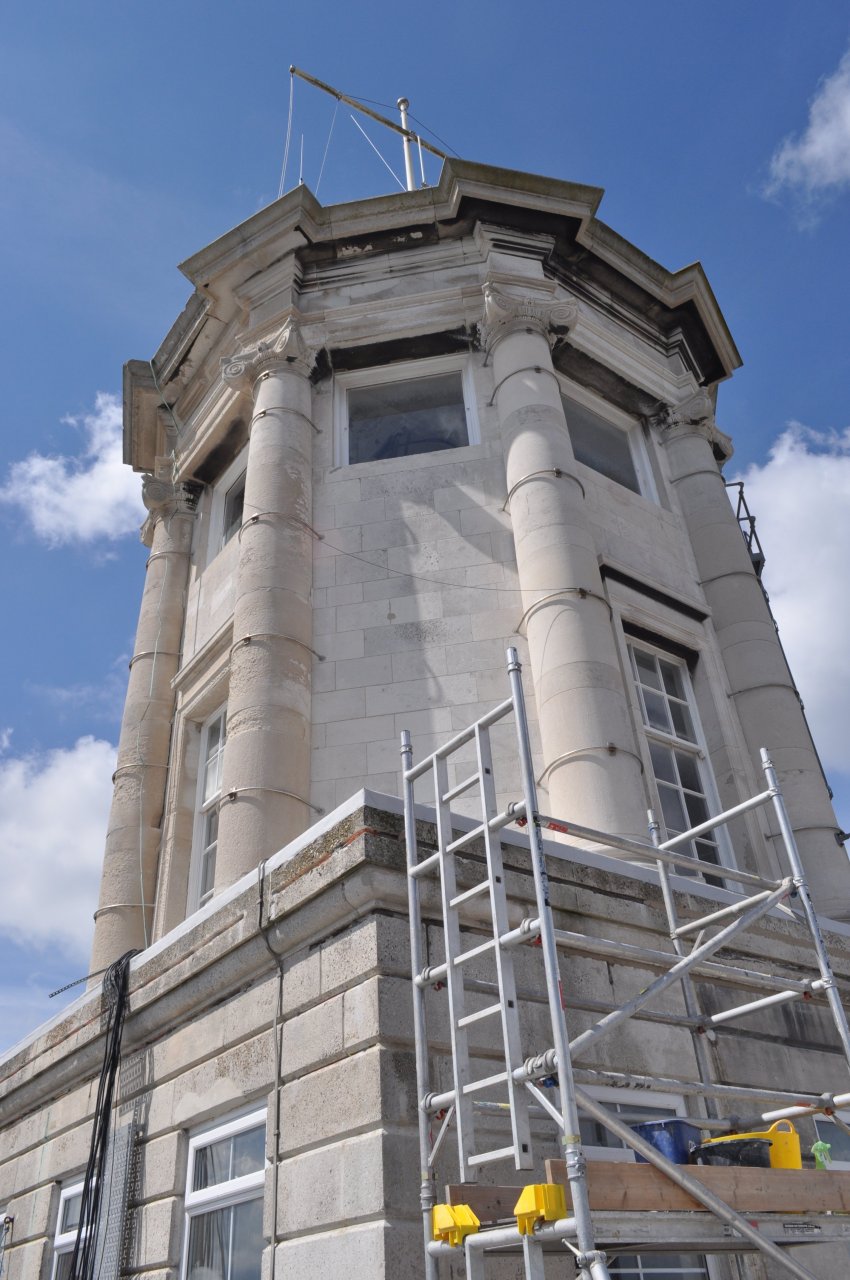
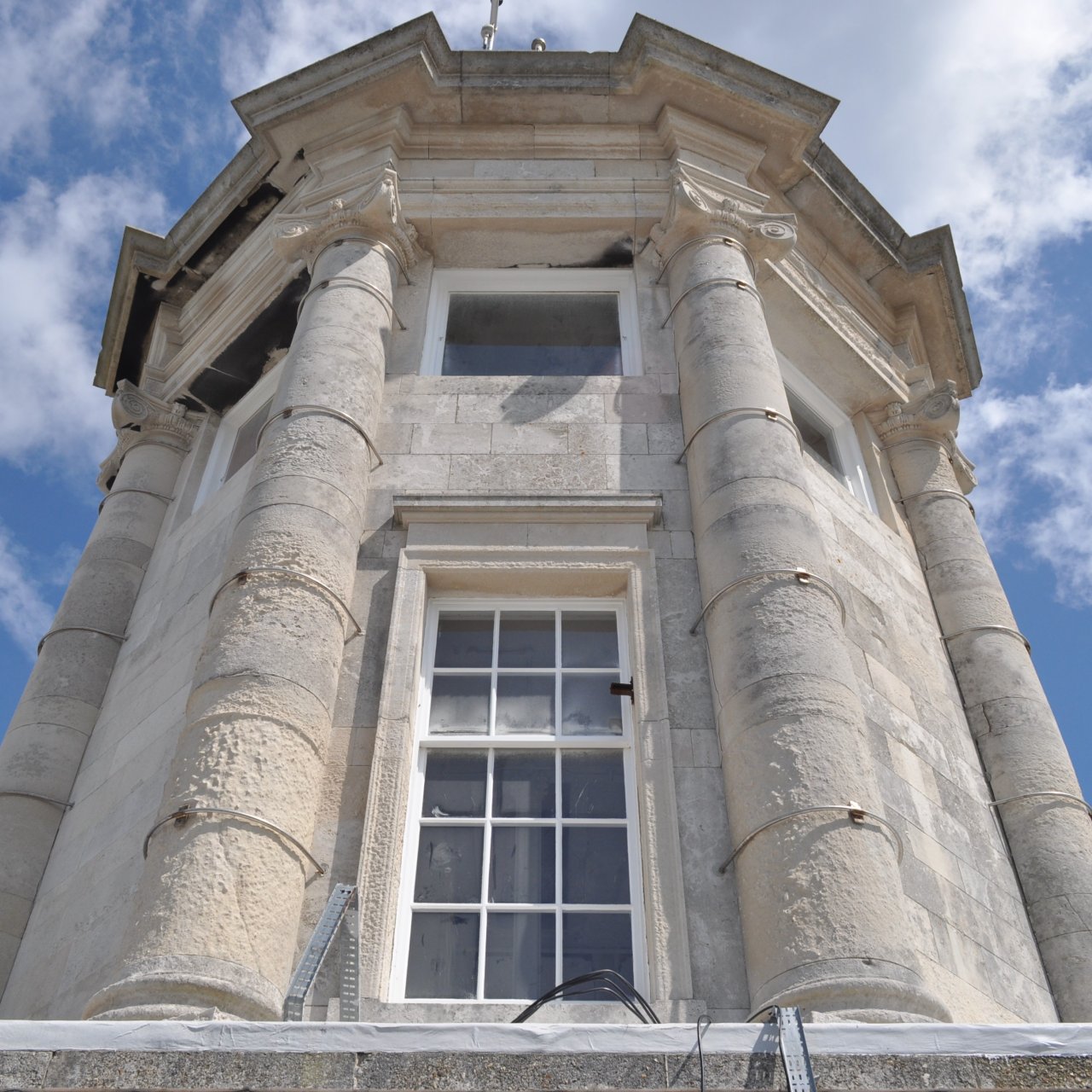
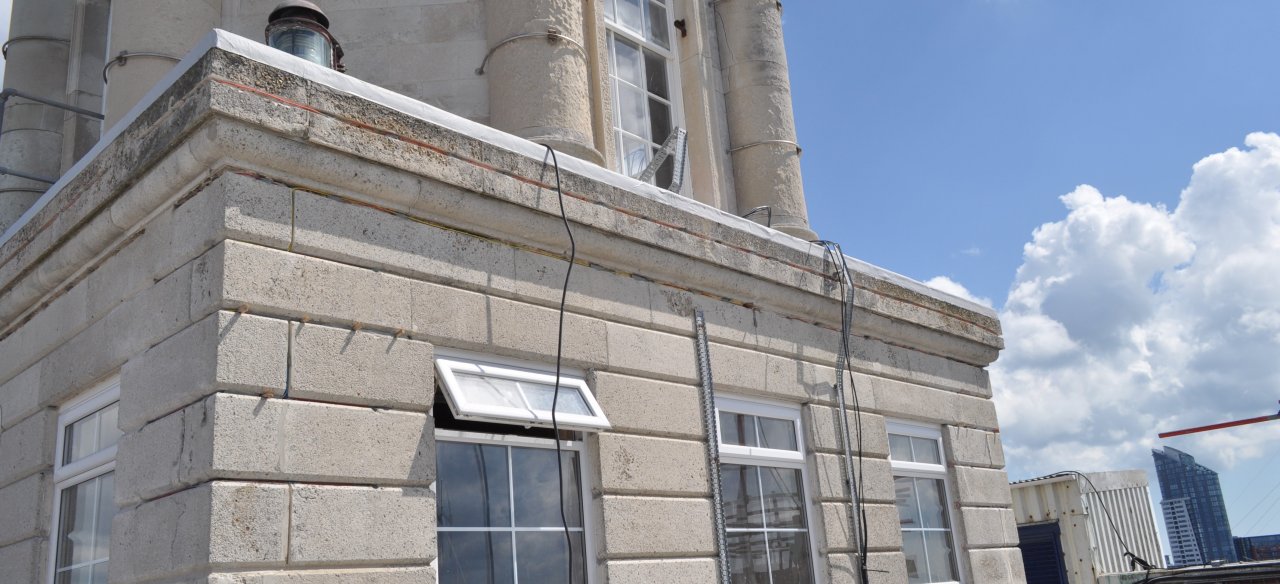
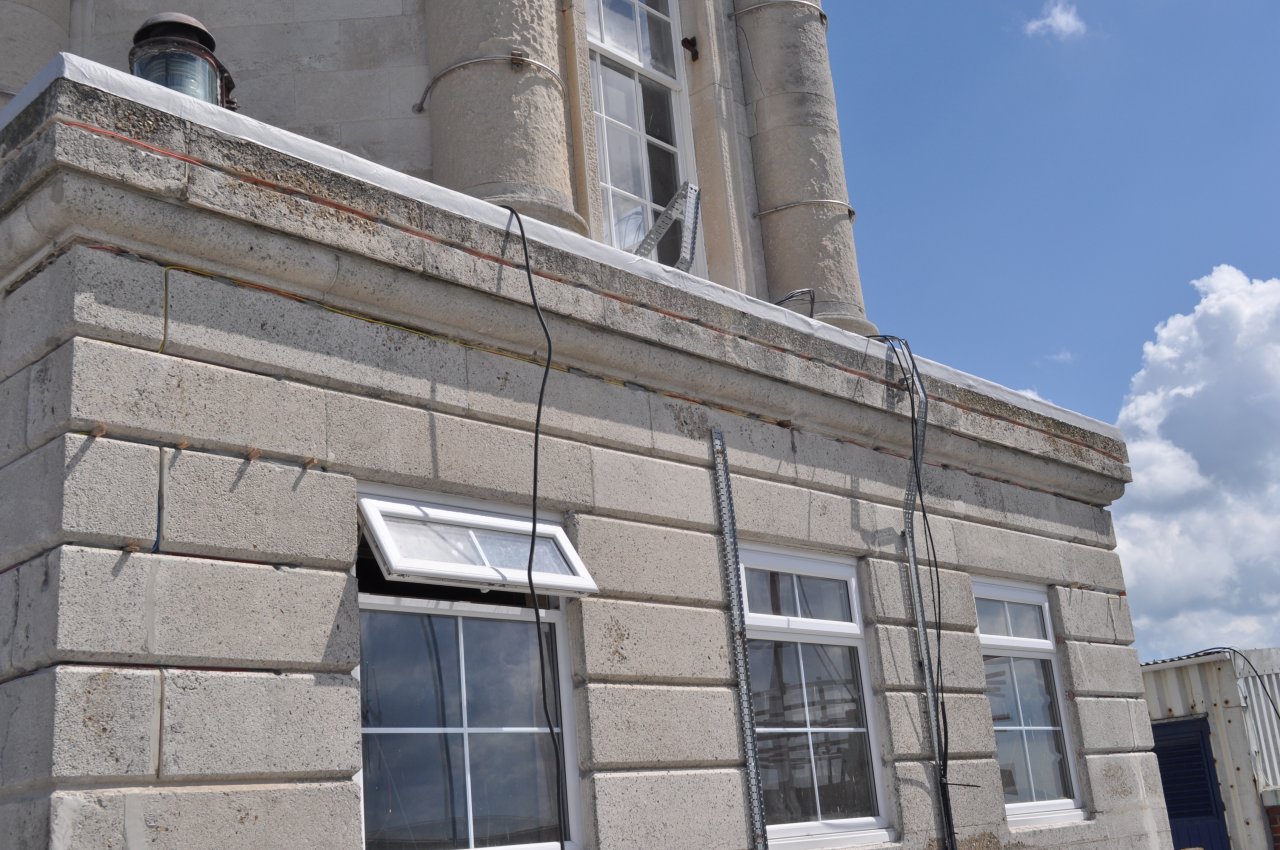
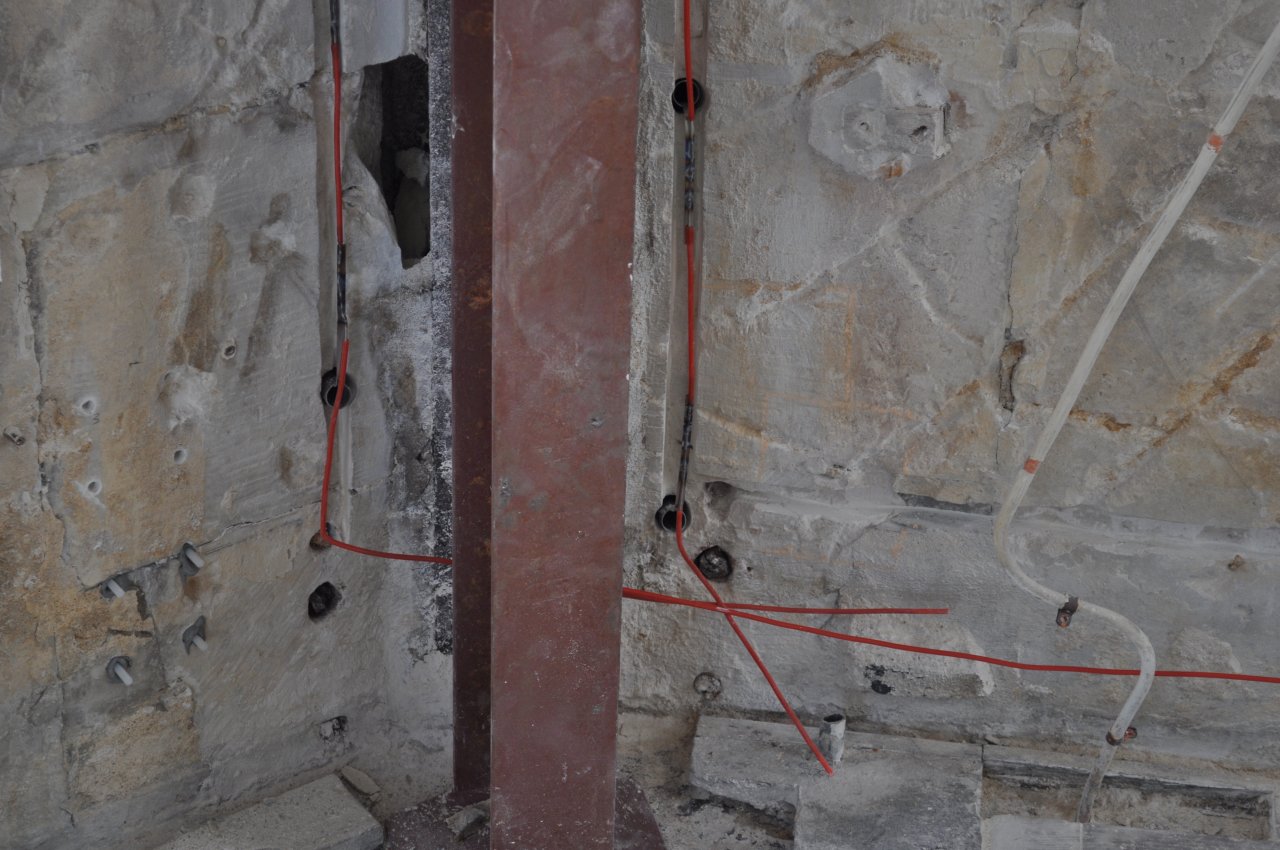
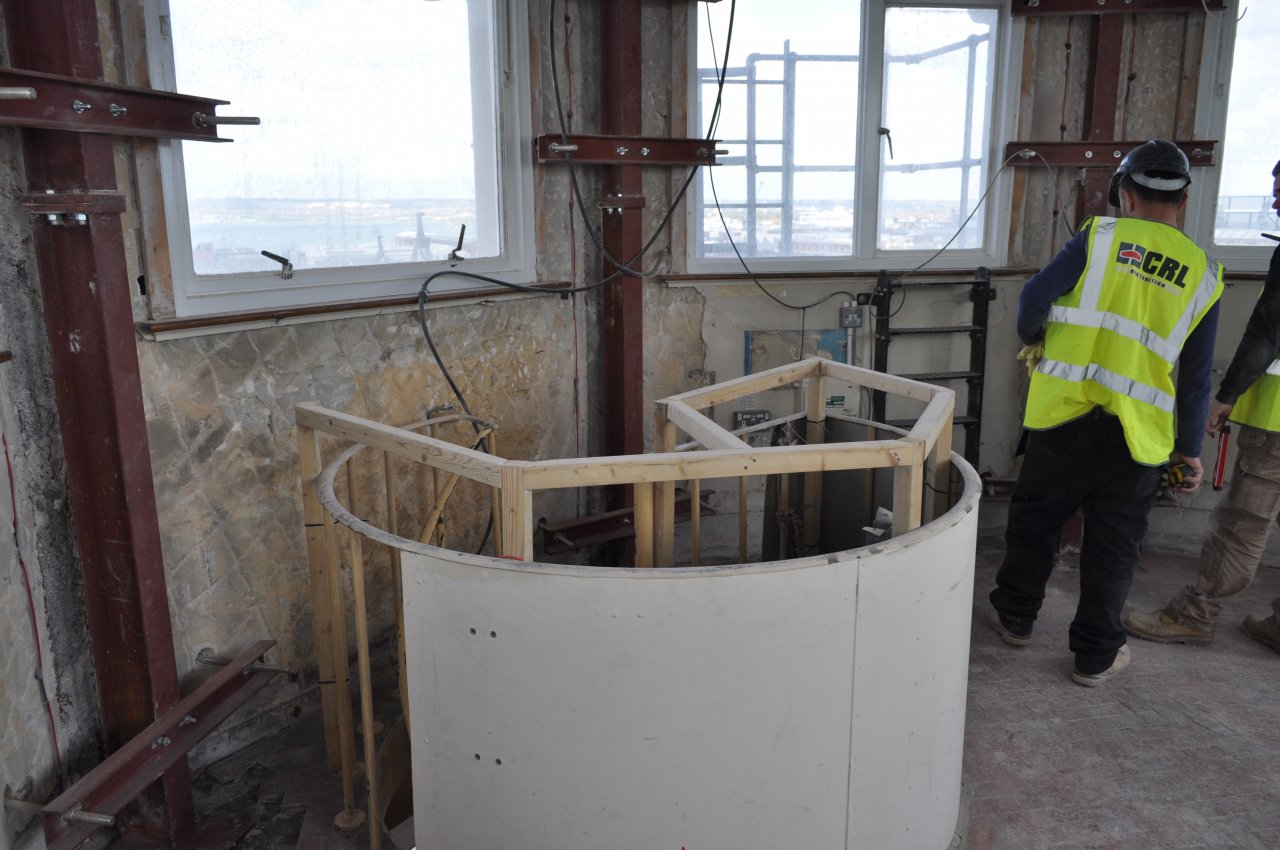
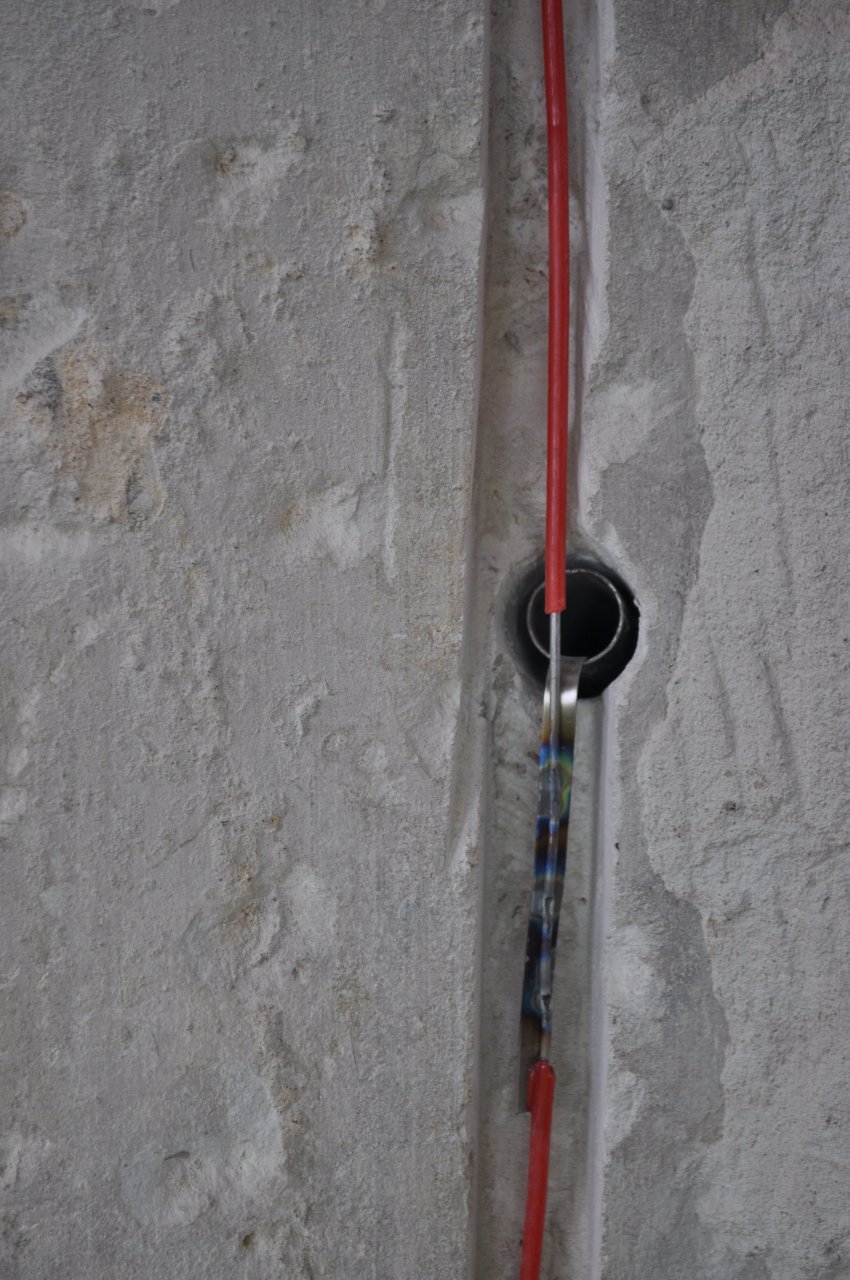
Following the intrusive investigations undertaken by Atkins, extensive corrosion was identified within the embedded steel frame, a condition commonly referred to as Regent’s Street Disease. Corrosion products had expanded, exerting pressure on the external stone and brick façade panels, creating a risk of displacement and potential detachment. As an interim safety measure, circular stainless steel restraint bars were installed around the columns, secured internally to a complex arrangement of structural steelwork, allowing time to develop a permanent repair strategy.
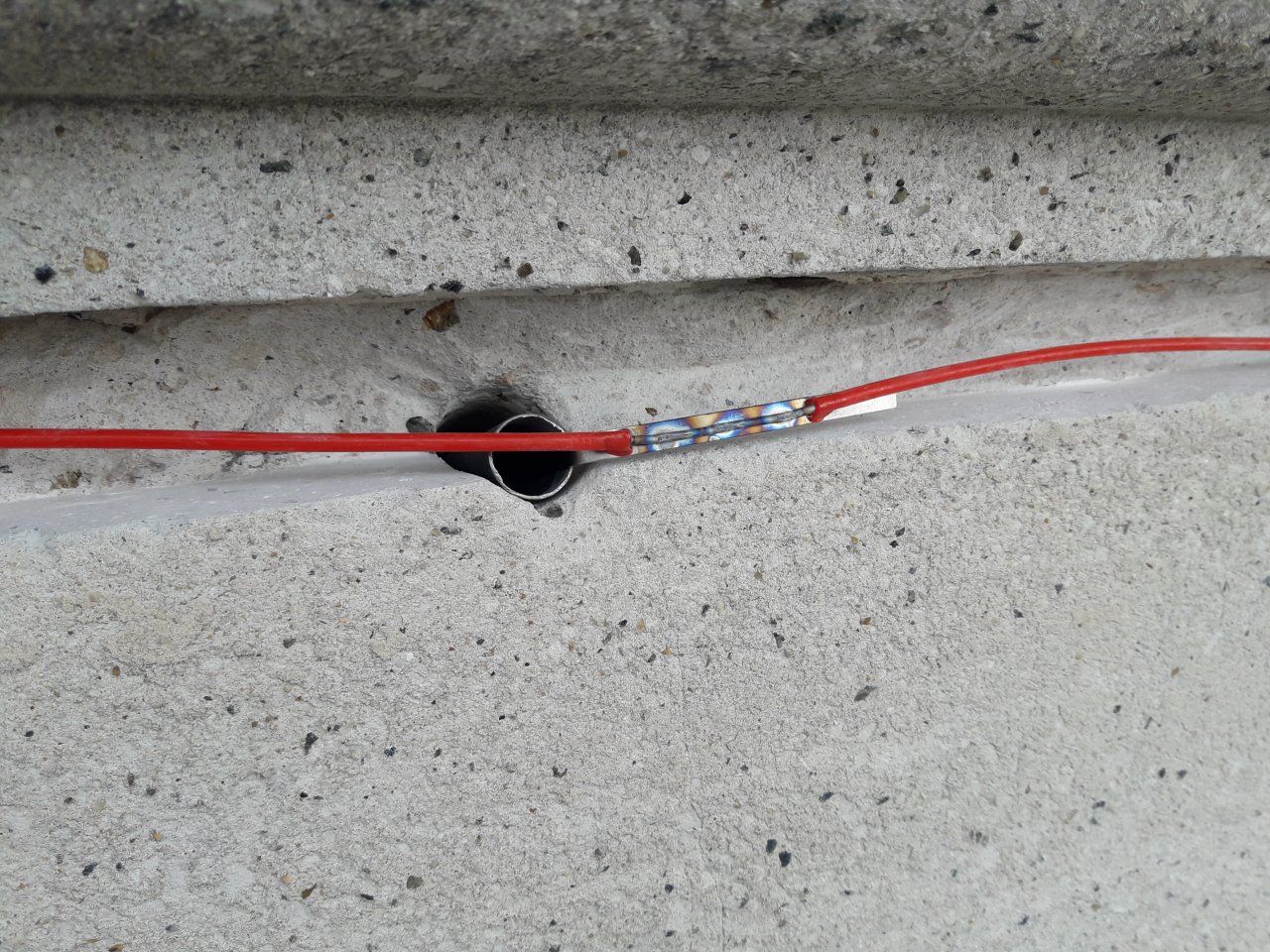
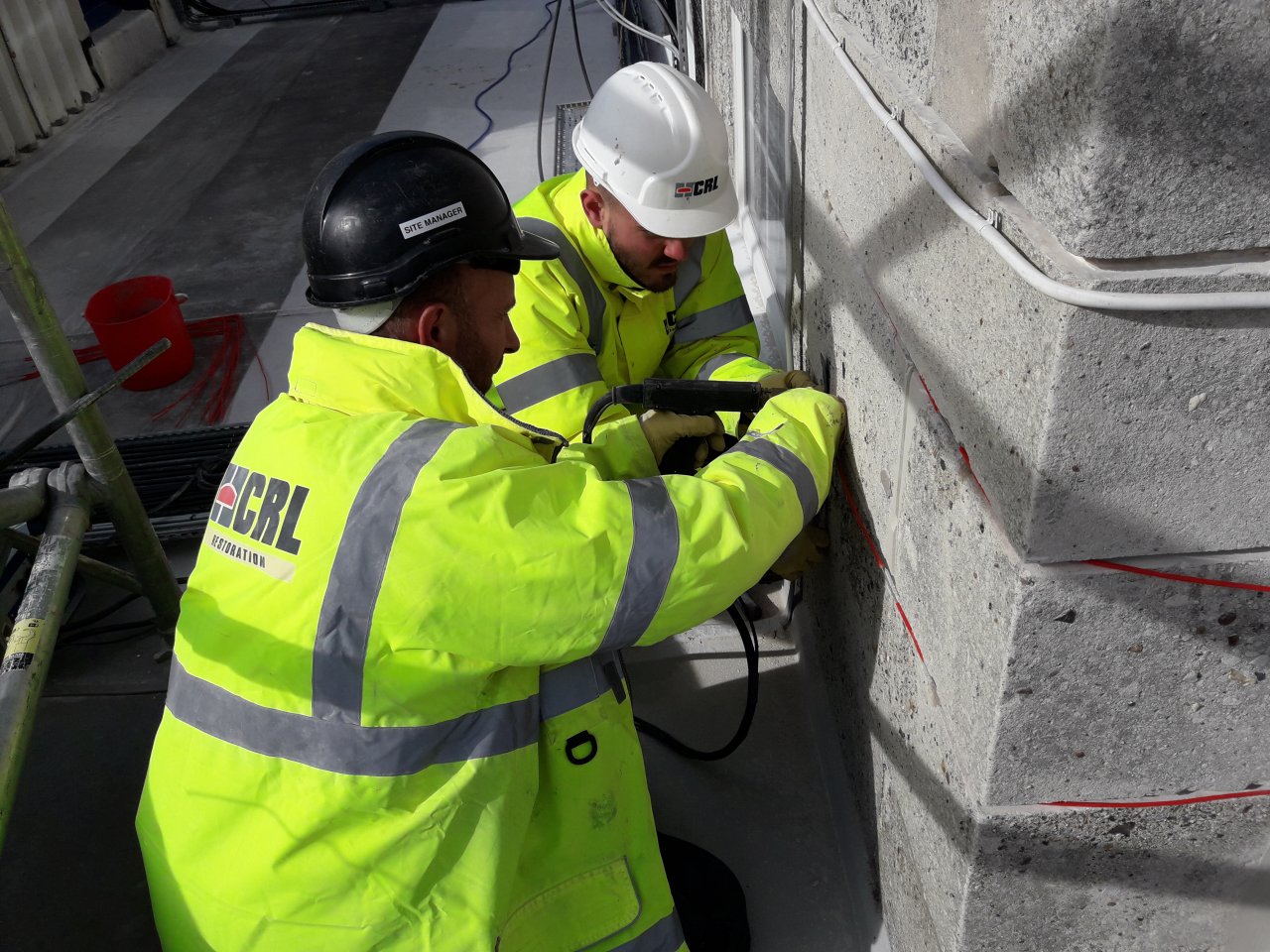
In 2017, Concrete Repairs Limited was appointed to deliver a long-term solution by designing and installing an impressed current cathodic protection system for Semaphore Tower, alongside substantial masonry repairs. The cathodic protection system was explicitly designed to achieve a minimum 30-year period of negligible corrosion activity within critical steel frame elements. Works included the installation and grouting of 570 anodes, 334 metres of titanium cabling, junction boxes, reference cells, decay probes, and a central control and monitoring unit to allow ongoing performance assessment.
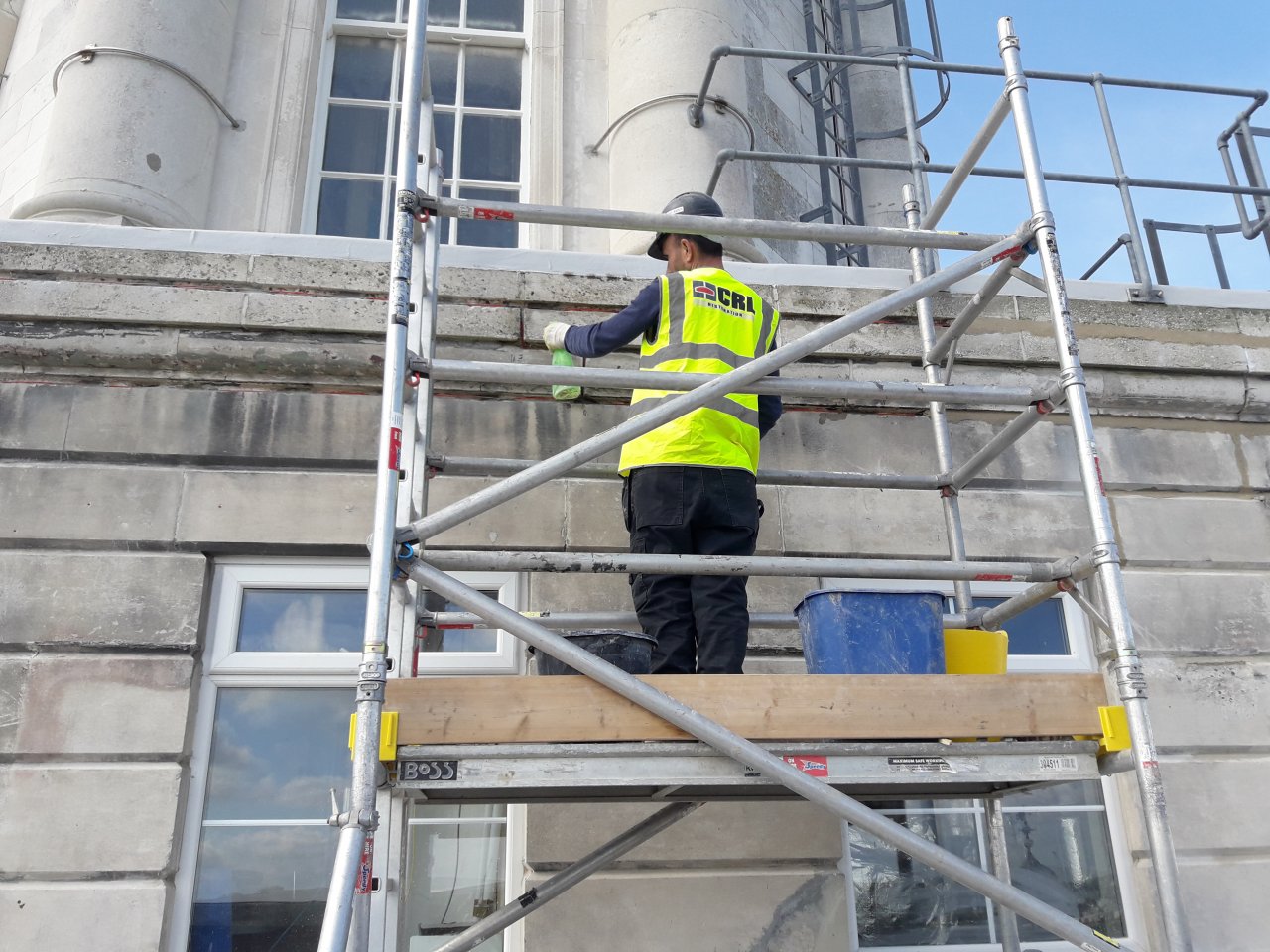
In parallel with the electrochemical protection works, CRL undertook grouting between the steel columns and the inner face of the façade panels to reinstate composite action and limit moisture pathways. Extensive repairs and restoration to the Portland stone and brickwork were completed to address defects arising from historic movement and water ingress. All works were delivered with careful consideration of the building’s heritage value, ensuring repairs were both practical and visually sympathetic to the original construction.

"All works carried out were meticulously monitored using a rigorous Quality & Inspection Test Plan. This helped ensure that the works were carried out 'right first time'.
Tony Parsons | Senior Heritage Site Manager | CRL
The works at Semaphore Tower provide lasting protection well beyond immediate structural repairs, safeguarding a nationally significant heritage asset for future generations. By implementing an impressed-current cathodic protection system, CRL addressed the root cause of deterioration, significantly reducing ongoing corrosion risk and future maintenance requirements. Careful planning and integration of monitoring technology support proactive asset management and long-term durability.
CRL’s collaborative approach with the client and project team ensured a robust, sustainable solution delivered safely and efficiently within a sensitive historic environment. The project demonstrates CRL’s specialist expertise in combining advanced corrosion protection with traditional masonry repairs to extend service life and enhance the resilience of complex heritage structures.


