Client
National Highways
Value
£7.0Mil
Sectors & Services
Highway Structures Concrete Repair Condition Surveys Structural Strengthening Projects Projects
The River Dane Bridge is an 85-metre-long viaduct constructed in 1962, carrying the M6 motorway over the River Dane between junctions 18 and 19 near Holmes Chapel, Cheshire. Forming a critical part of the strategic road network, the bridge comprises five spans of precast prestressed concrete beams supporting a beam-and-slab deck.
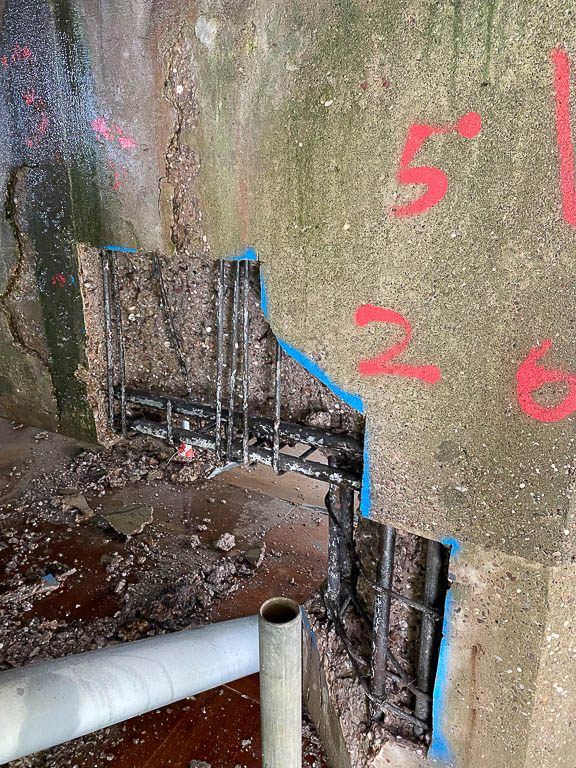
Routine inspections identified extensive concrete spalling caused by chloride ingress from de-icing salts, leading to reinforcement corrosion within crossheads, piers, and columns. Commissioned by National Highways as part of its motorway asset management programme, the project aimed to address these defects, restore structural integrity, and extend the bridge’s service life while maintaining traffic flow on this heavily trafficked route.
Services undertaken
- Early contractor involvement and scheme development
- Structural surveying and material testing
- Hydro-demolition and concrete breakout
- Reinforcement cleaning, repair, and replacement
- Precision concrete reinstatement using cementitious grout
- Installation of impressed current cathodic protection systems
- Design and installation of bespoke temporary works and access systems
- Environmental protection and water containment measures
- Waste management and sustainable construction practices
- Stakeholder liaison and community engagement


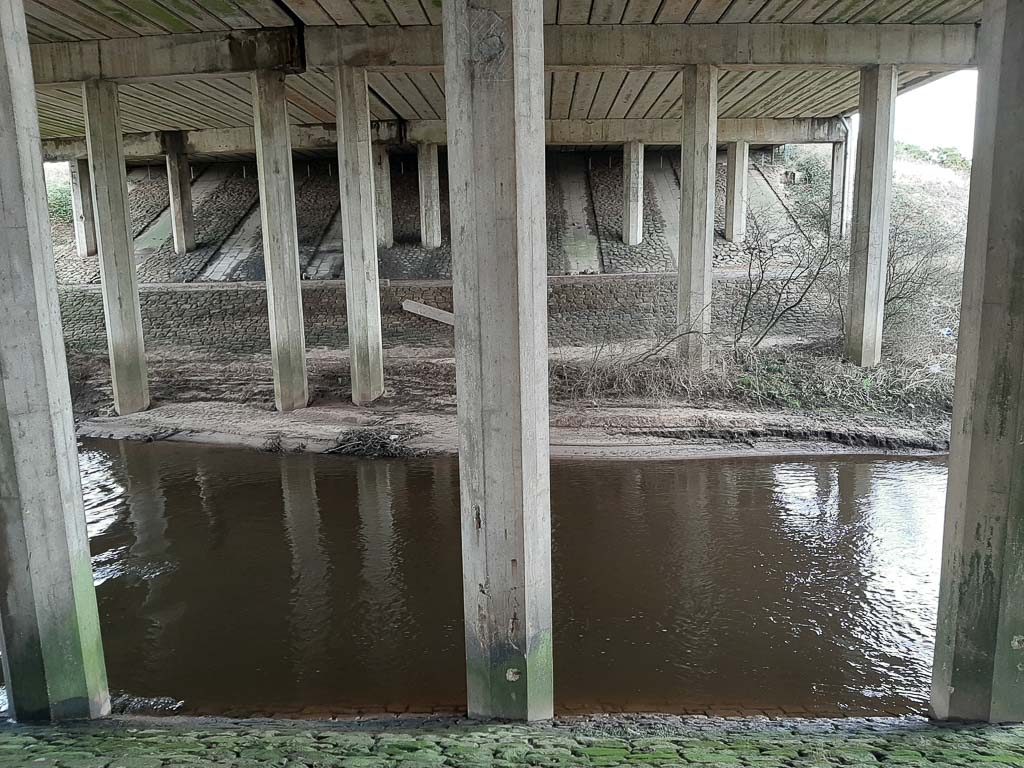
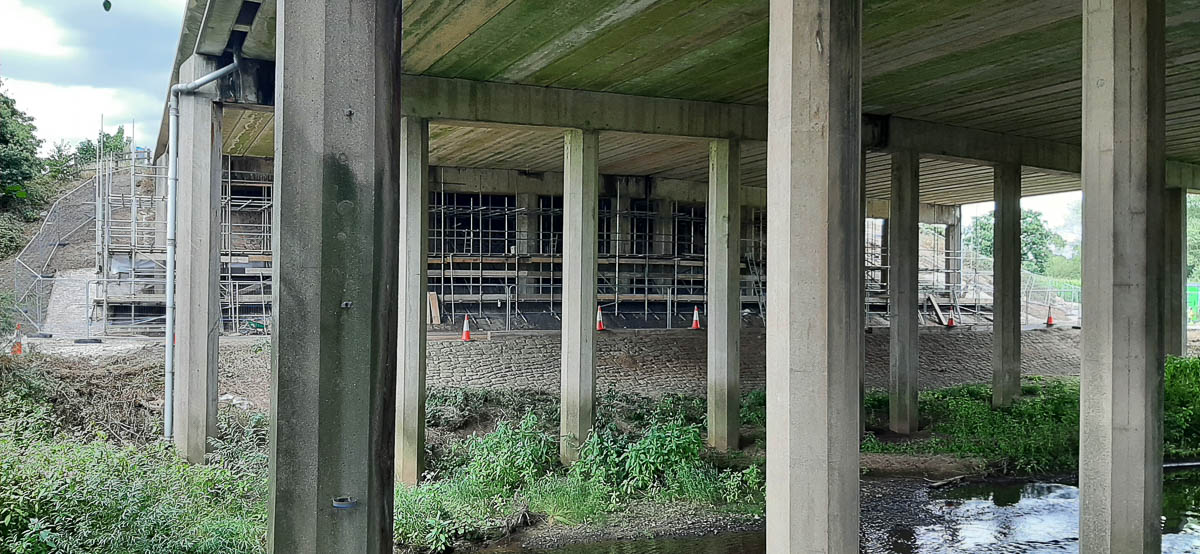
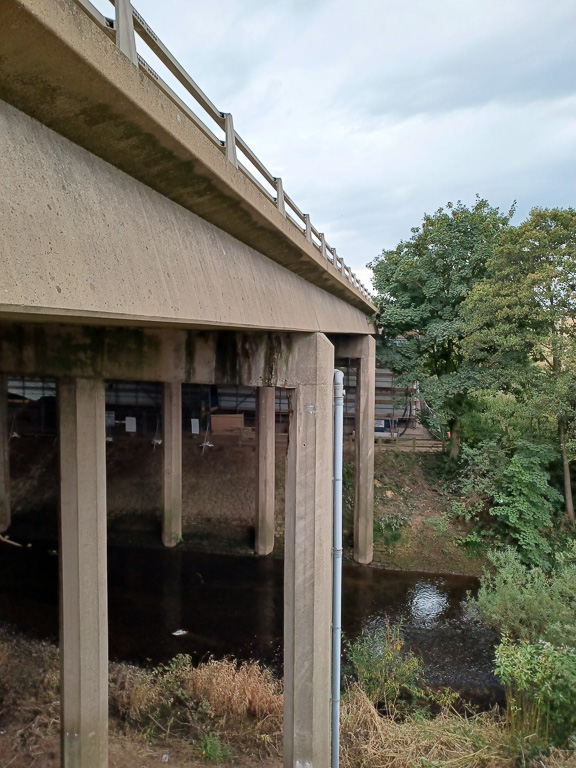
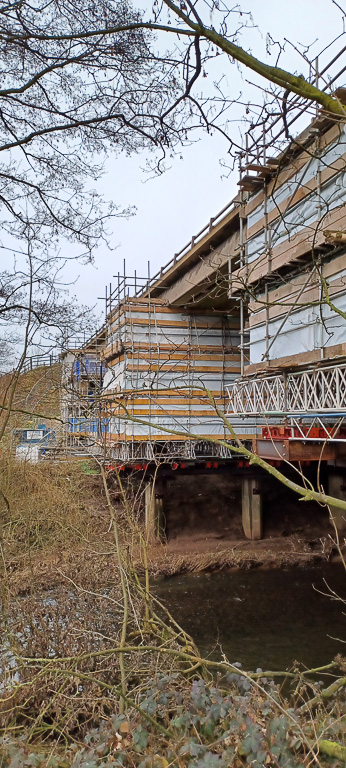
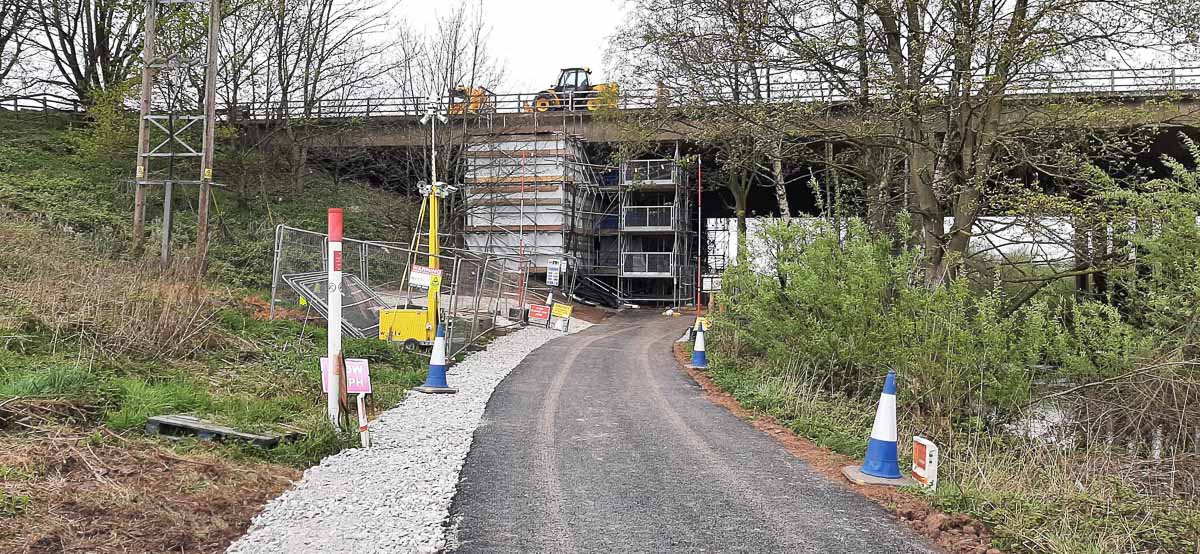
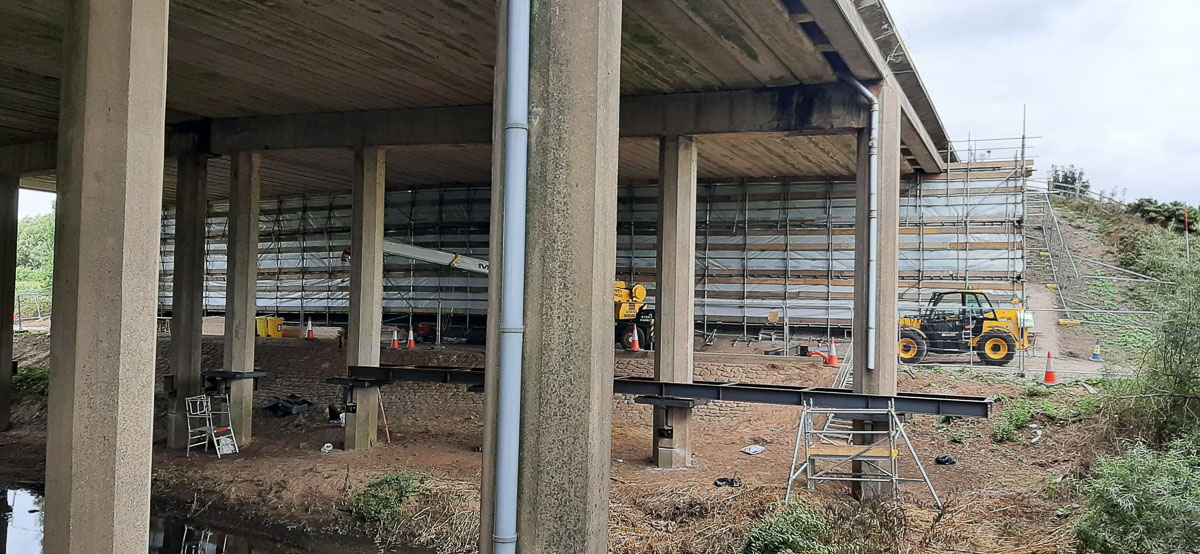
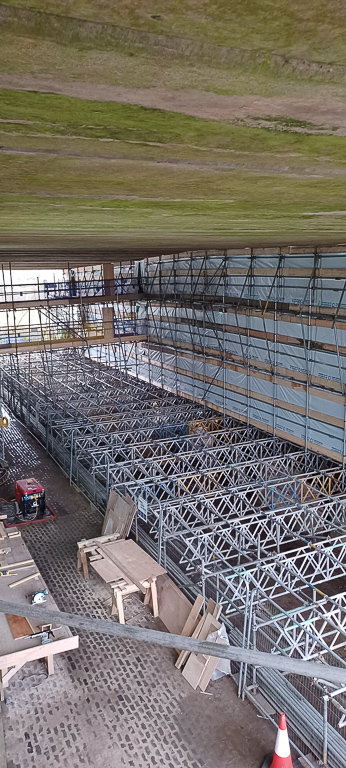
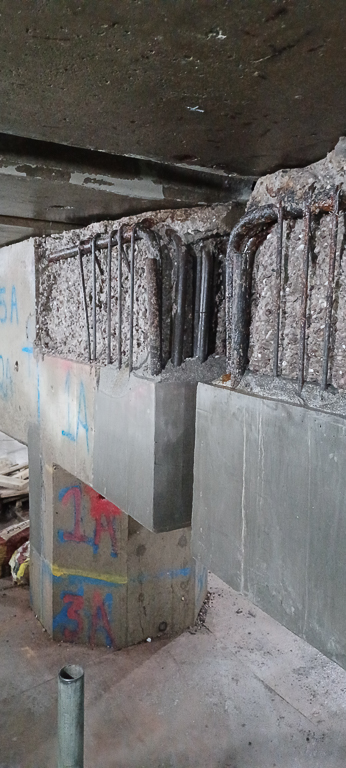
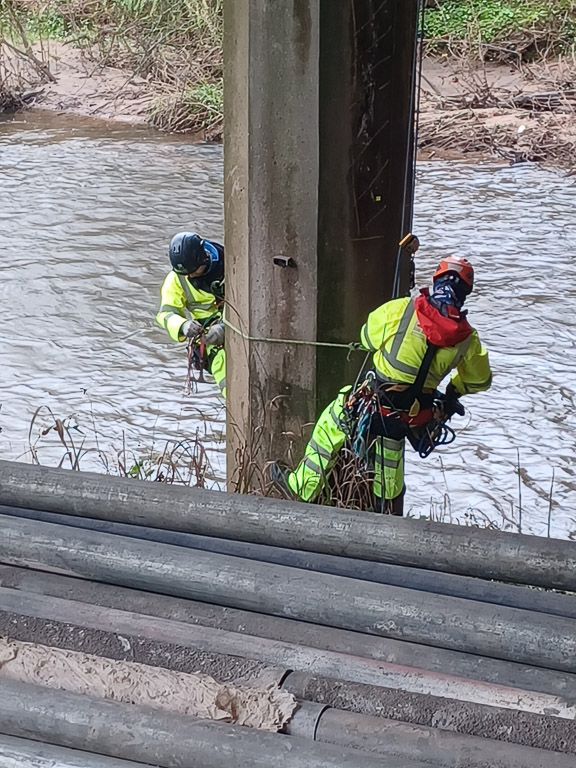
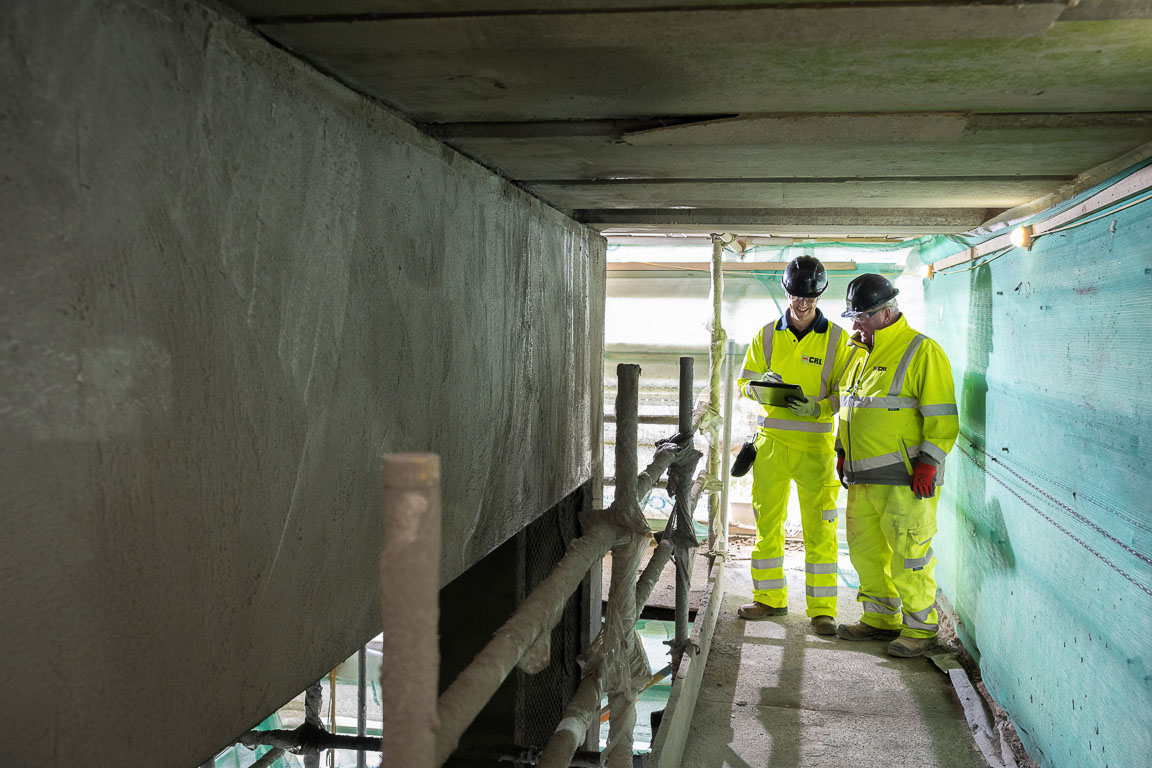
Following an 18-month early contractor involvement process, CRL was appointed Principal Contractor and worked closely with National Highways to develop a robust and innovative repair strategy. A key challenge was delivering major concrete repairs while keeping the bridge operational, as tens of thousands of vehicles use this section of the M6 daily. Works commenced in February 2022 under a carefully phased three-stage programme designed to maintain safety and minimise disruption.
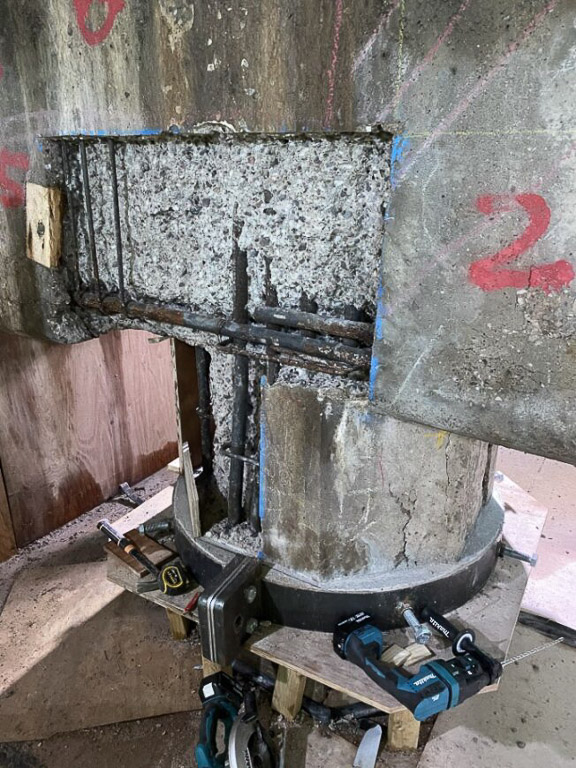
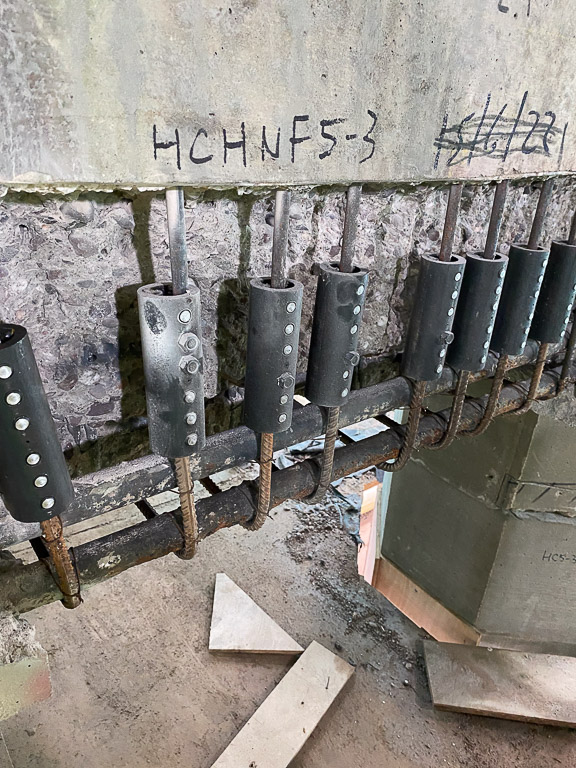
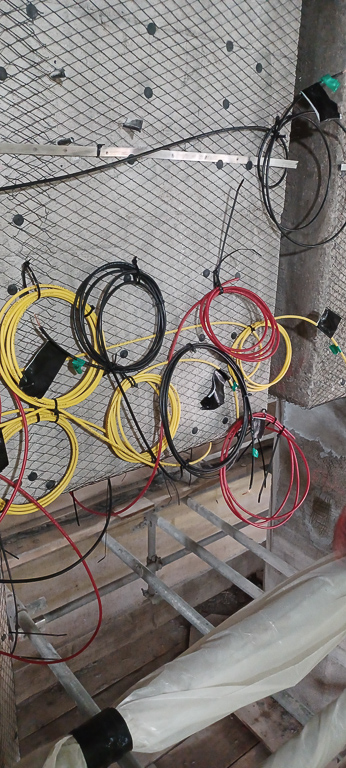
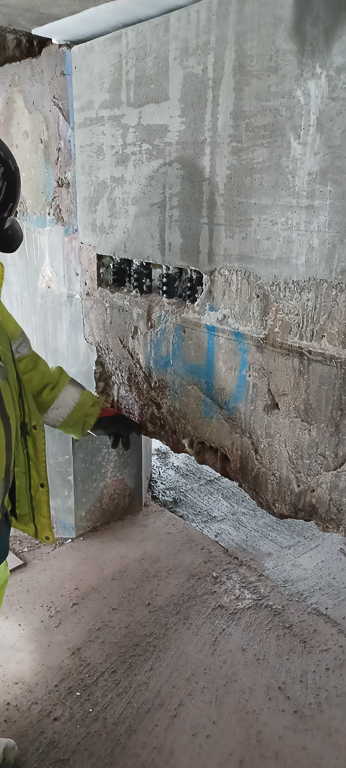
Extensive surveying and testing were undertaken to confirm defect extents. All delaminated and sub-standard concrete was removed using hydro-demolition, allowing precise breakout while protecting sound material. Exposed reinforcement was cleaned, repaired, or replaced where necessary, before reinstatement using Webercem Advanced Precision Grout. To address ongoing corrosion risks, an impressed current cathodic protection system comprising a mesh and overlay arrangement was installed to crossheads and columns, providing long-term corrosion control.
The bridge’s location over a river required a bespoke temporary works solution. Steel buckling straps were clamped around columns to maintain stability during concrete removal, while scaffold support steelwork was fixed directly to the structure. This eliminated the need for excavations within the river or embankment and raised access platforms above flood levels, improving resilience during high water events.
Environmental protection was integral to delivery. Full water containment was implemented during hydro-demolition, with collected water treated through a pH adjustment system prior to controlled discharge. Close liaison with the Environment Agency, landowners, and local stakeholders ensured no adverse impact on the river or wildlife. Sustainable practices, including high levels of waste diversion from landfill, use of HVO fuel, and refurbishment over replacement, delivered significant carbon savings throughout the project.

"The team’s unwavering dedication to undertaking works safely and the quality of the repairs was nothing short of outstanding. Road safety was also always at the forefront of their role, but they also ensured that local communities were actively involved, every step of the way.”
Mangat Bansal | Programme Delivery Manager | National Highways
The refurbishment of River Dane Bridge demonstrates CRL’s ability to deliver complex structural repairs UK projects that provide lasting value beyond immediate defects. Through collaborative planning, innovative engineering, and disciplined execution, the scheme restored full load-carrying capacity several months ahead of programme, reducing disruption to road users and hauliers.
The integration of cathodic protection and durable repair materials significantly reduces future maintenance demands and extends the bridge’s design life by a minimum of 50 years.
Sustainable working practices, environmental stewardship, and proactive stakeholder engagement reinforced National Highways’ asset management objectives. Recognised with multiple industry awards, the project reflects CRL’s professionalism, technical excellence, and commitment to resilient, low-carbon infrastructure.
Jose Castro, Project Manager at CRL said: “We are very proud to have been involved in the award-winning refurbishment of this 60-year old concrete structure. This was a challenging project carried out over water and on a ‘live’ bridge. Early Contractor Involvement (ECI) was key to its success. Through the use of innovative engineering solutions and by undertaking the repair works in a carefully planned and executed manner, CRL has been able to deliver both cost and programme savings for the successful delivery of this scheme on behalf of National Highways."
“Not only did the refurbishment of the structure significantly reduce the carbon that would have been produced in comparison to the reconstruction of a new bridge, it also eliminated any major disruption to the travelling public using this route,” he added.


